
From 0 to MVP - How I helped shape an AI executive assistance for founders
From 0 to MVP - How I helped shape an AI executive assistance for founders
Role
Lead AI Product Designer
(UX + Design Engineering)
Tools
Figma · Framer · Claude · Cursor AI · Warp
The Backstory
When I joined DeepVista AI, there was no brand, no landing page, and no interface — just a bold vision to help founders turn everyday conversations into smarter decisions.
What started as a 3-month internship quickly grew into a full leadership role.
I found myself deeply invested in the product, wearing many hats in the journey.
The Challenge
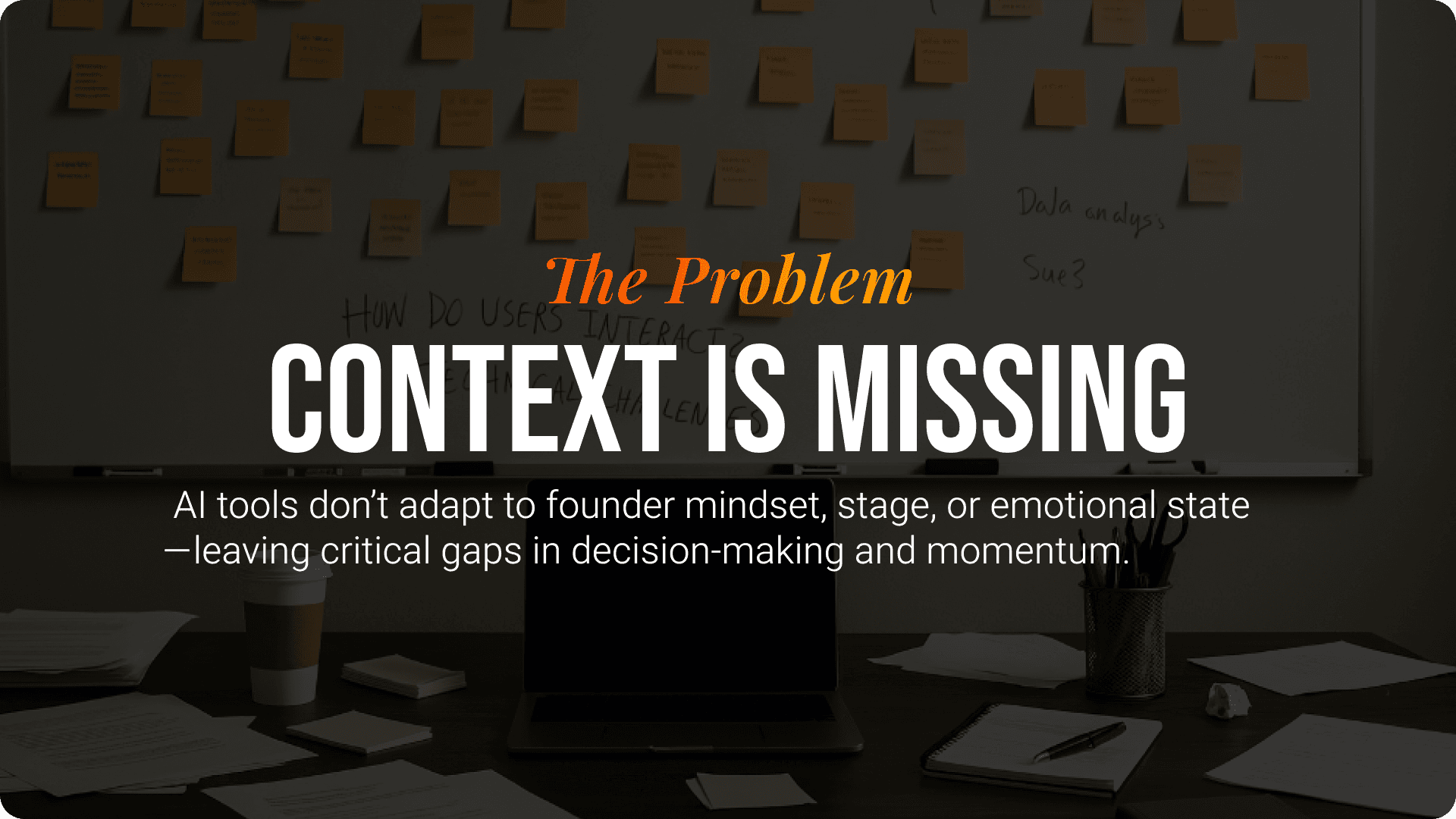
How might we help early-stage founders make confident, cross-functional decisions — with less mental strain?
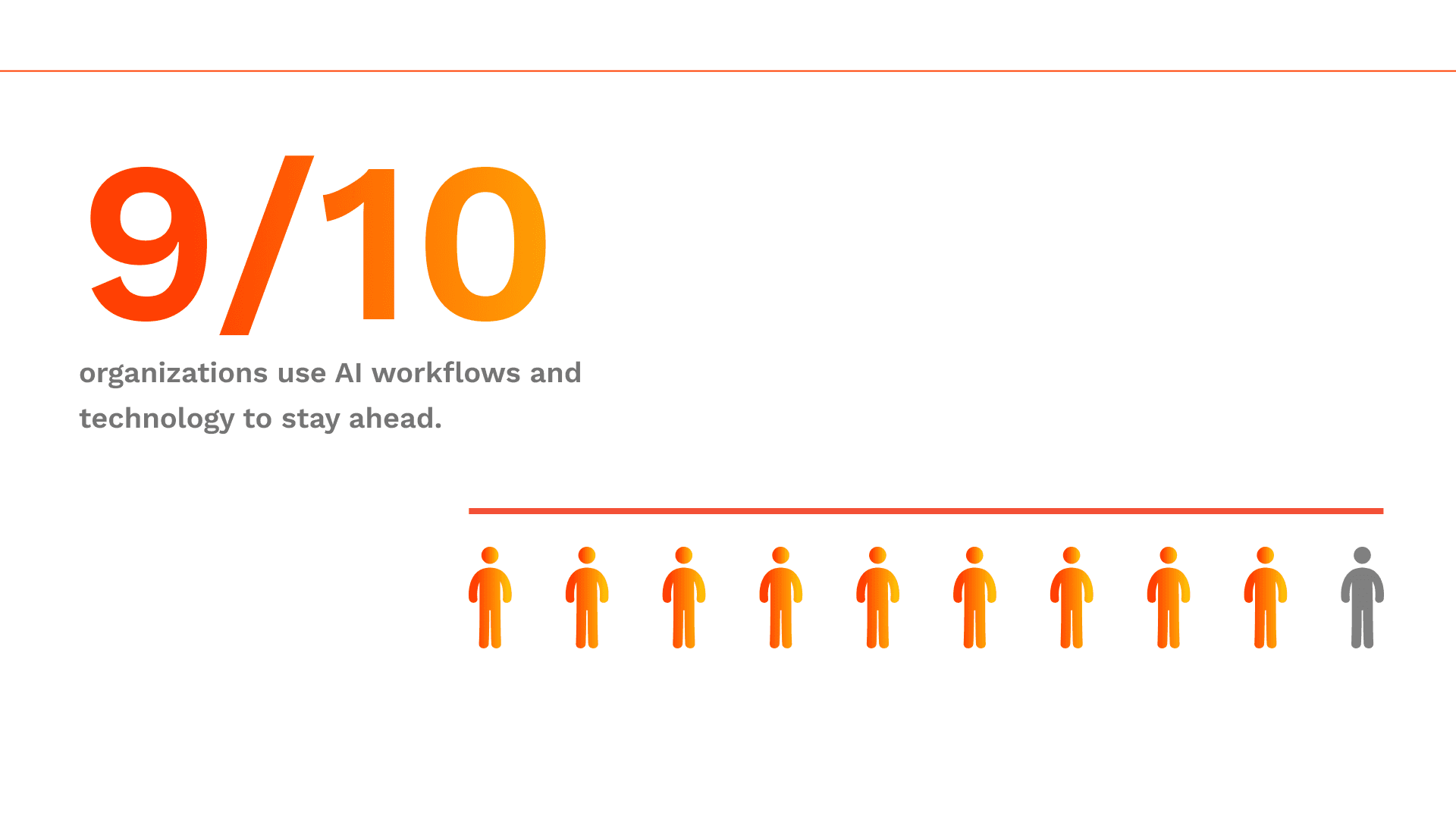
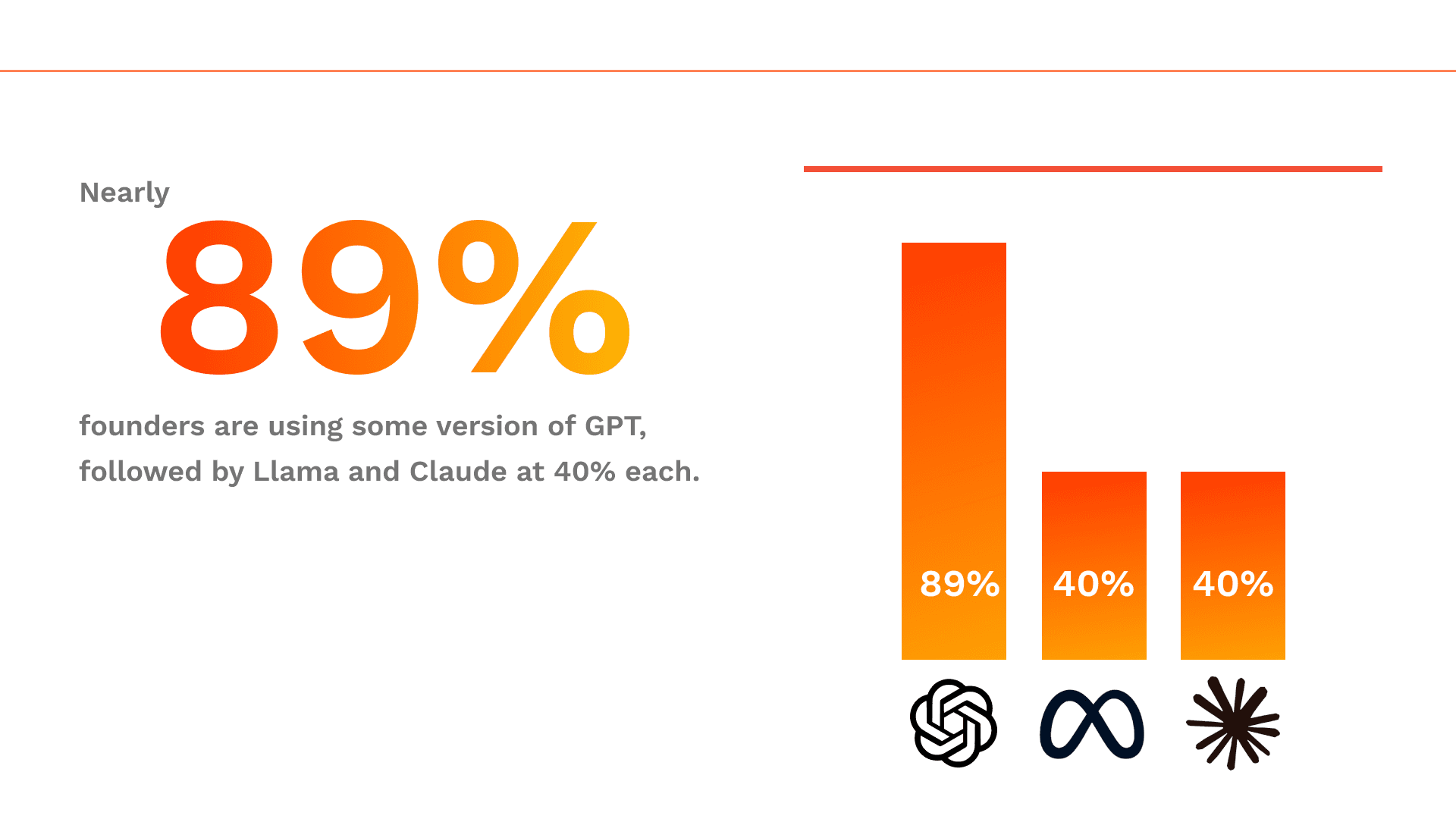
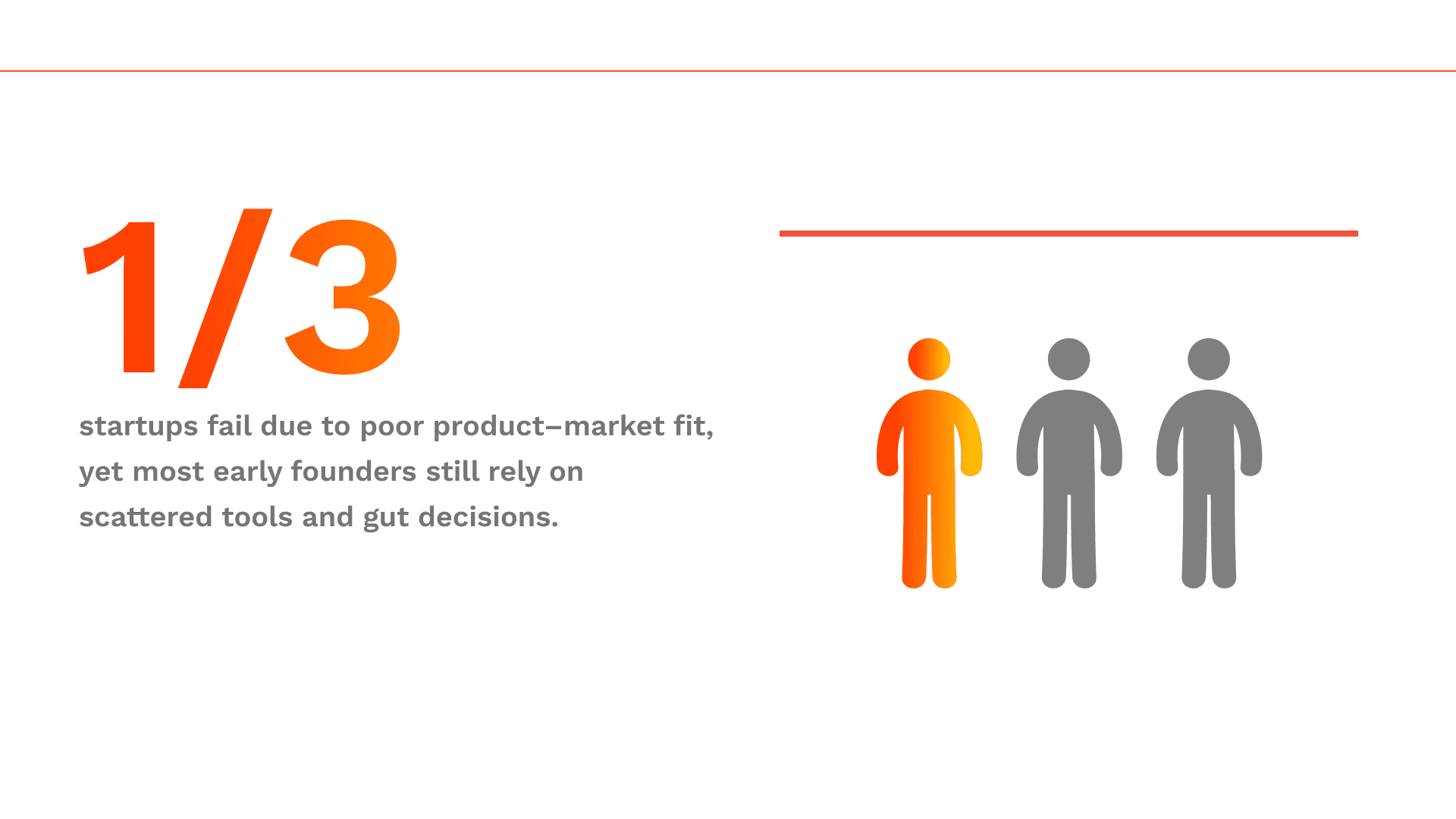
Founders were overwhelmed by
50–200 emails/day
Disconnected tools
Decision fatigue & tool overload
DeepVista needed to feel smart, supportive, and context-aware, not just “another AI dashboard.”
My Design Process
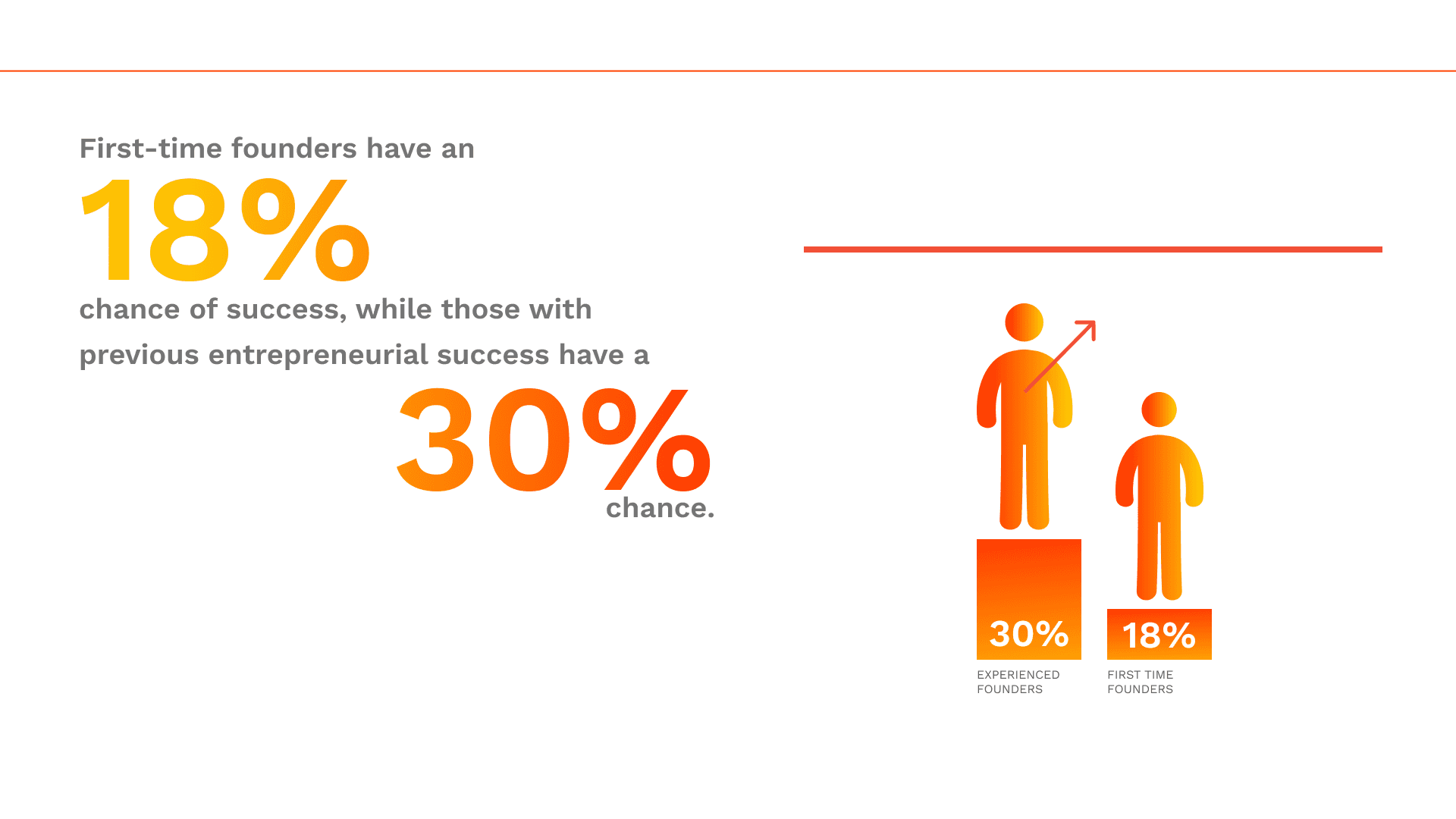
It wasn’t a linear path but an iterative process — constantly looping back to empathize, redefine, ideate, and prototype again as I refined the product.
Research → Ideation → Mid-Fidelity Prototype → Testing → Pivot → Design System & Branding → High-Fidelity Prototype → Final Testing → Landing Page → AI-Native Product Prototype → Test → Prototype

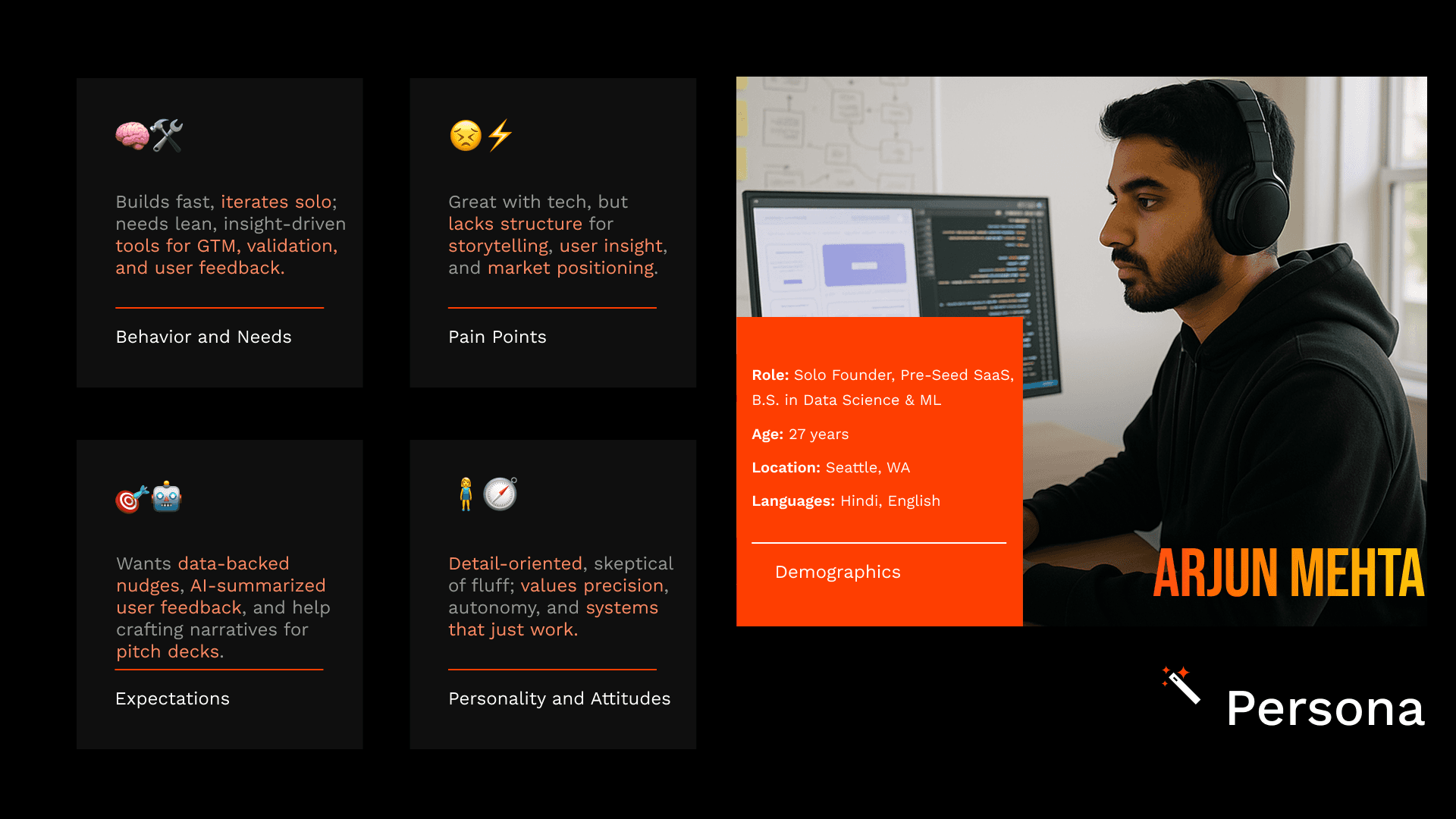
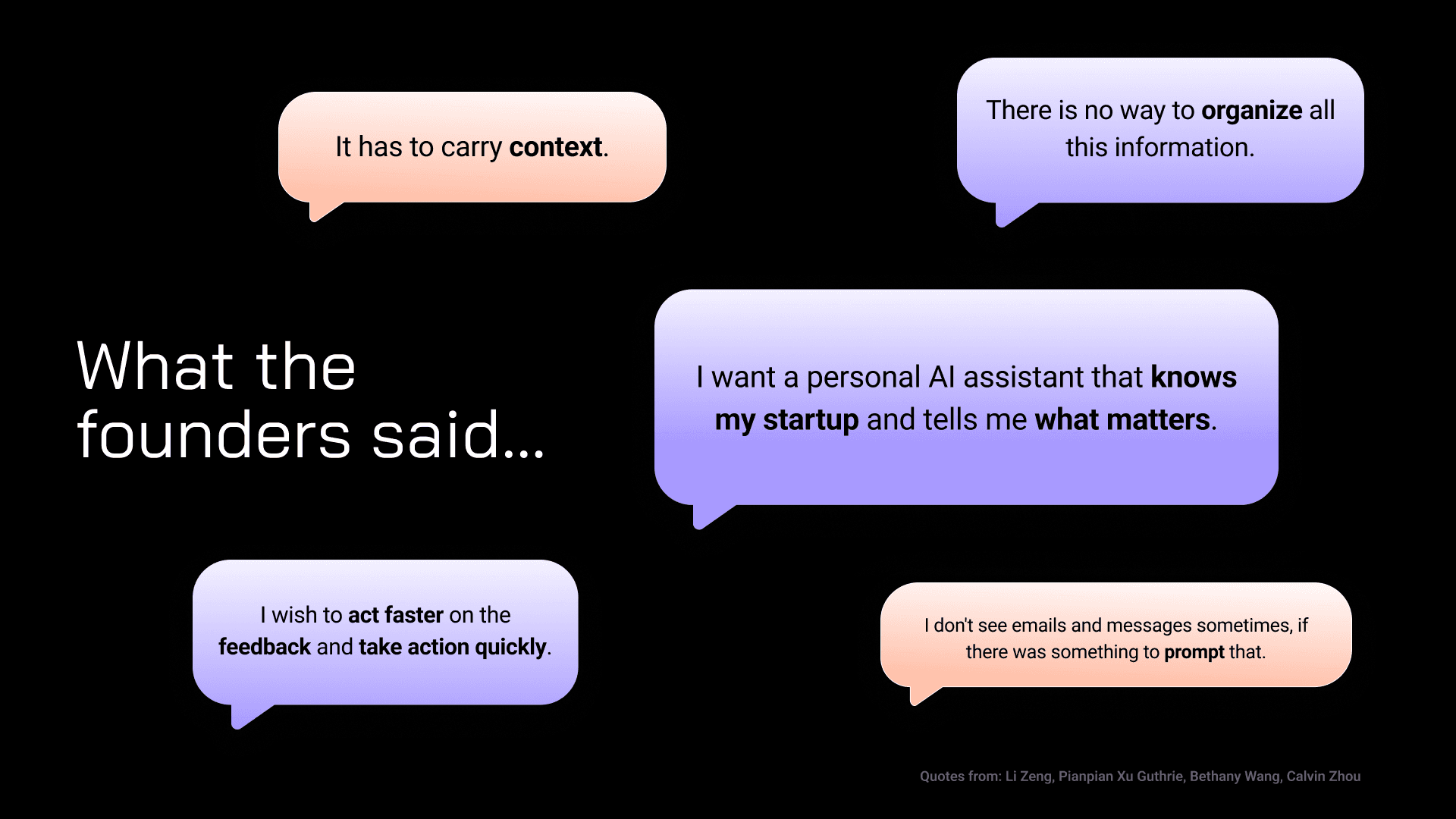
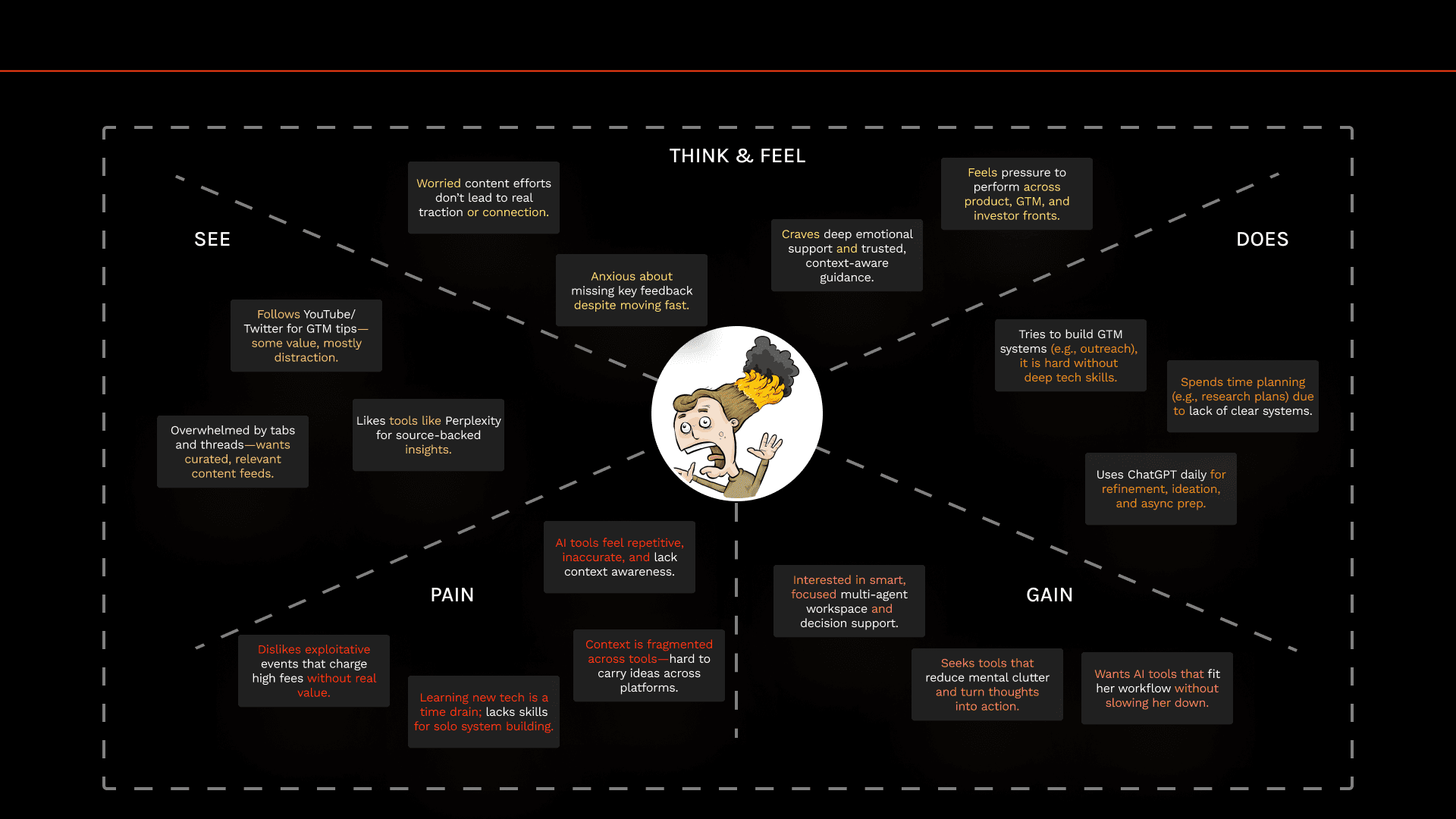
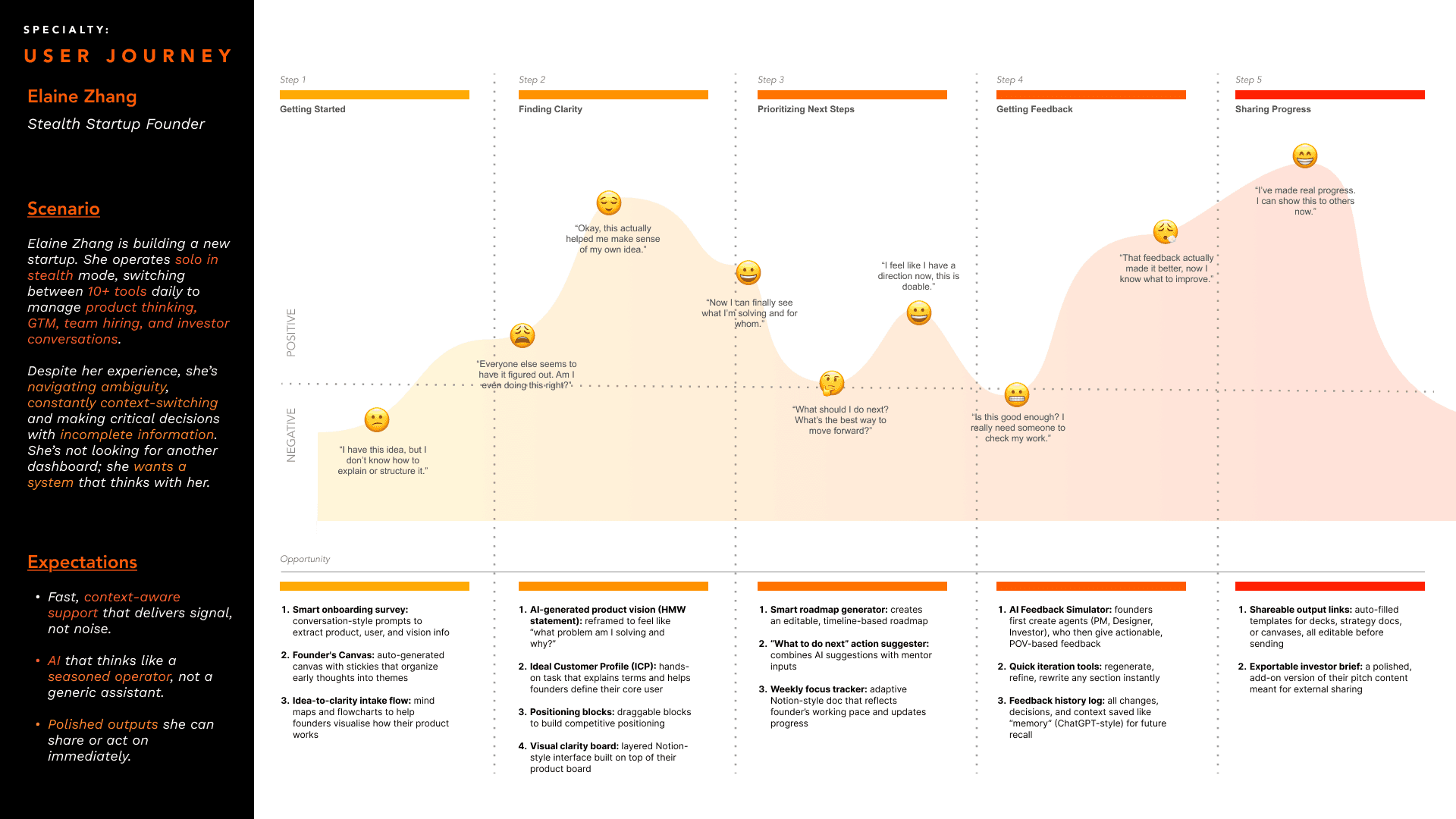
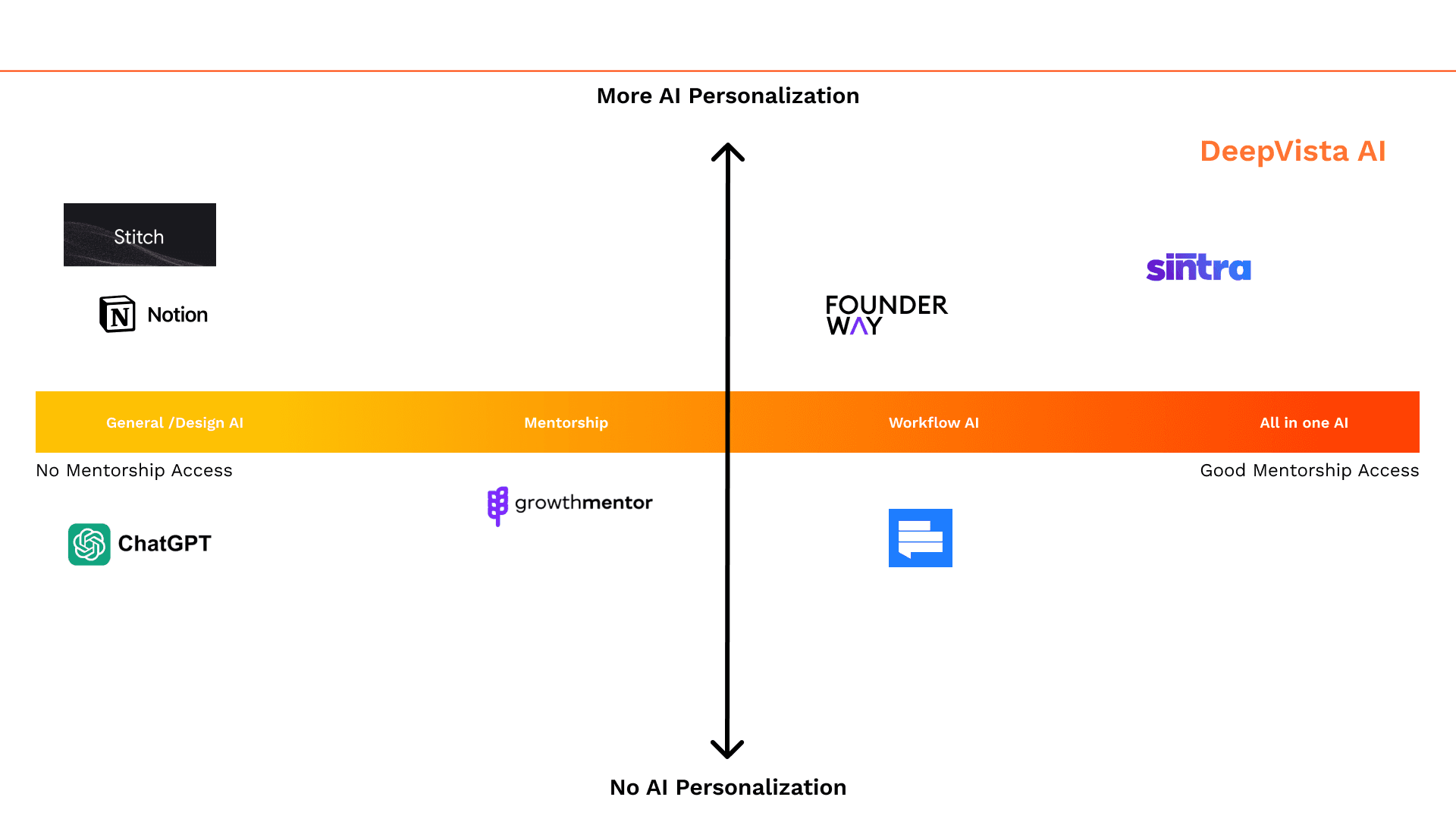
Research & Synthesis
Conducted competitive analysis across 7+ AI/productivity tools
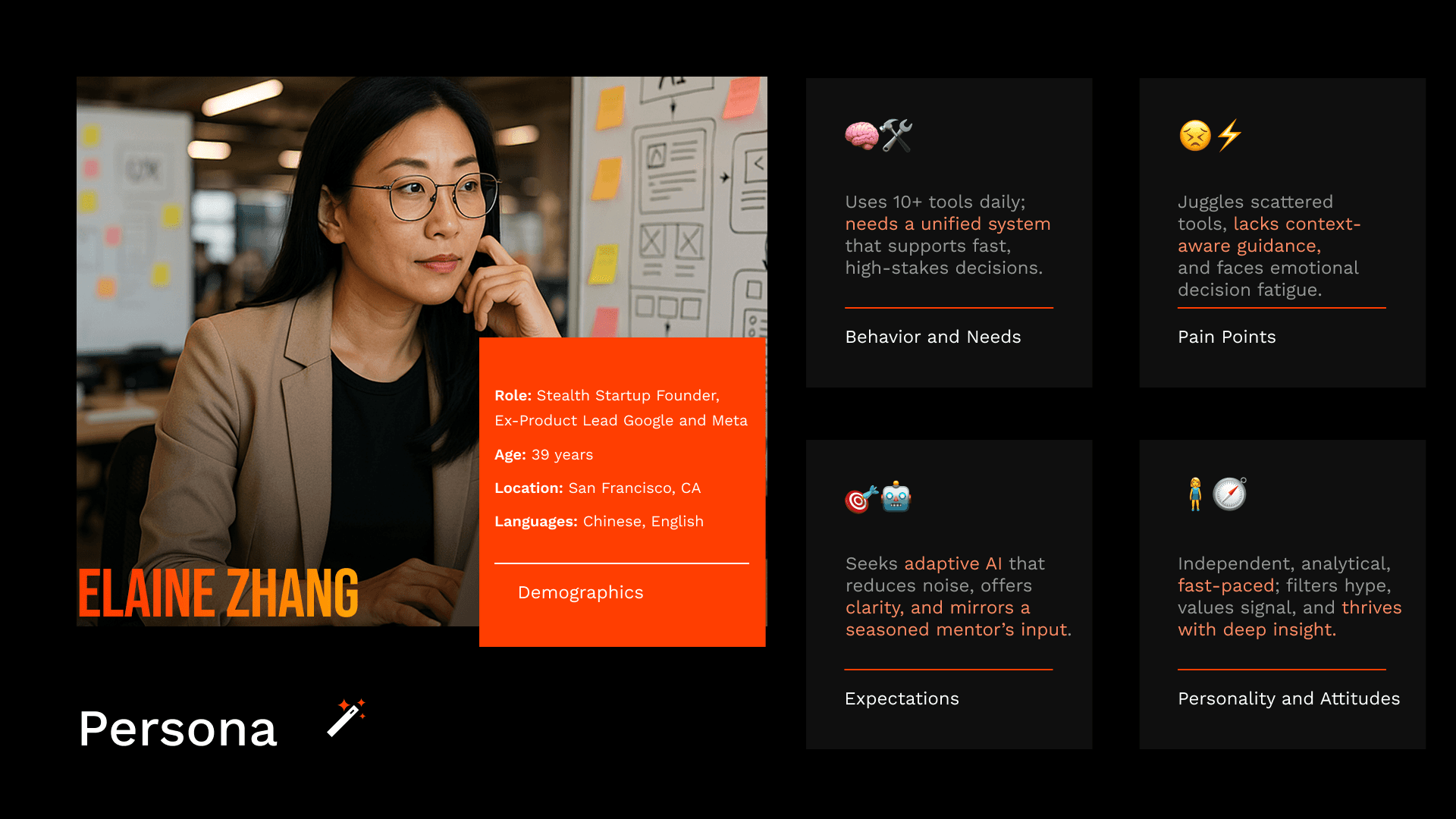
Led primary research with 9 early-stage founders
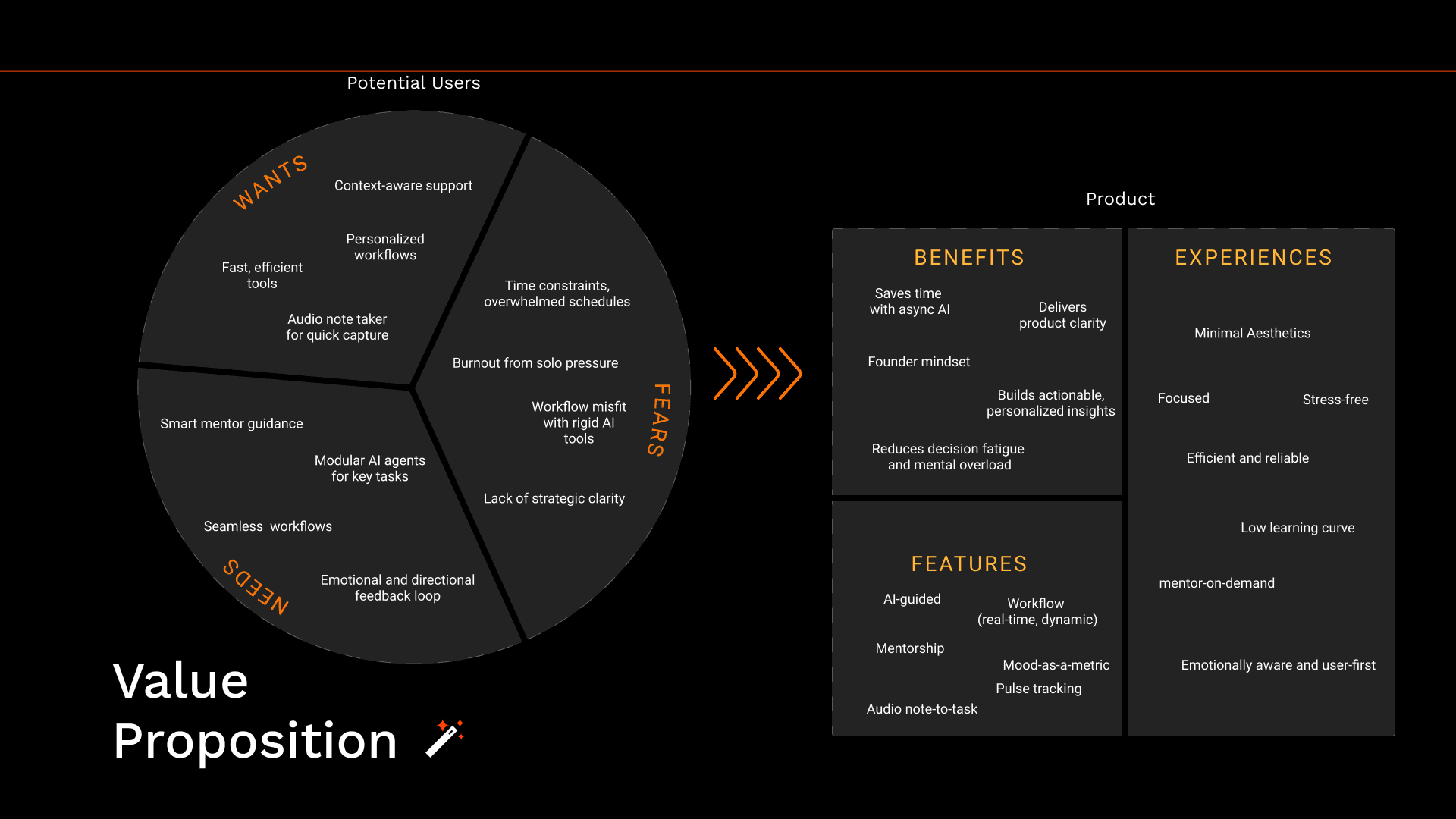
Mapped founder pain points (context-switching, lack of clarity, inconsistent mentorship)
“I want a personal AI agent that knows my startup and tells me what matters.” — Li Zeng, Founder
Key insights became the foundation for our product direction.
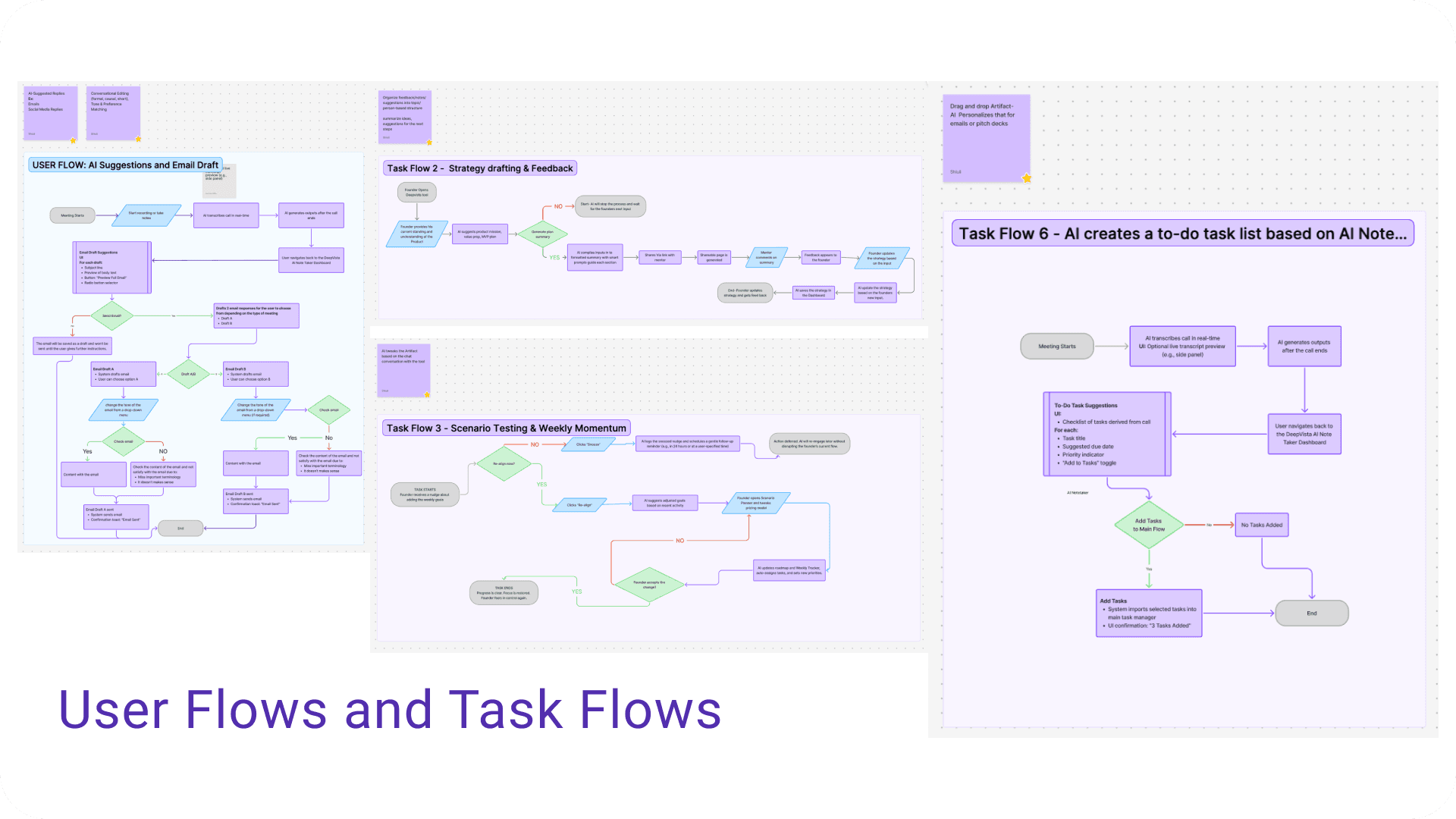
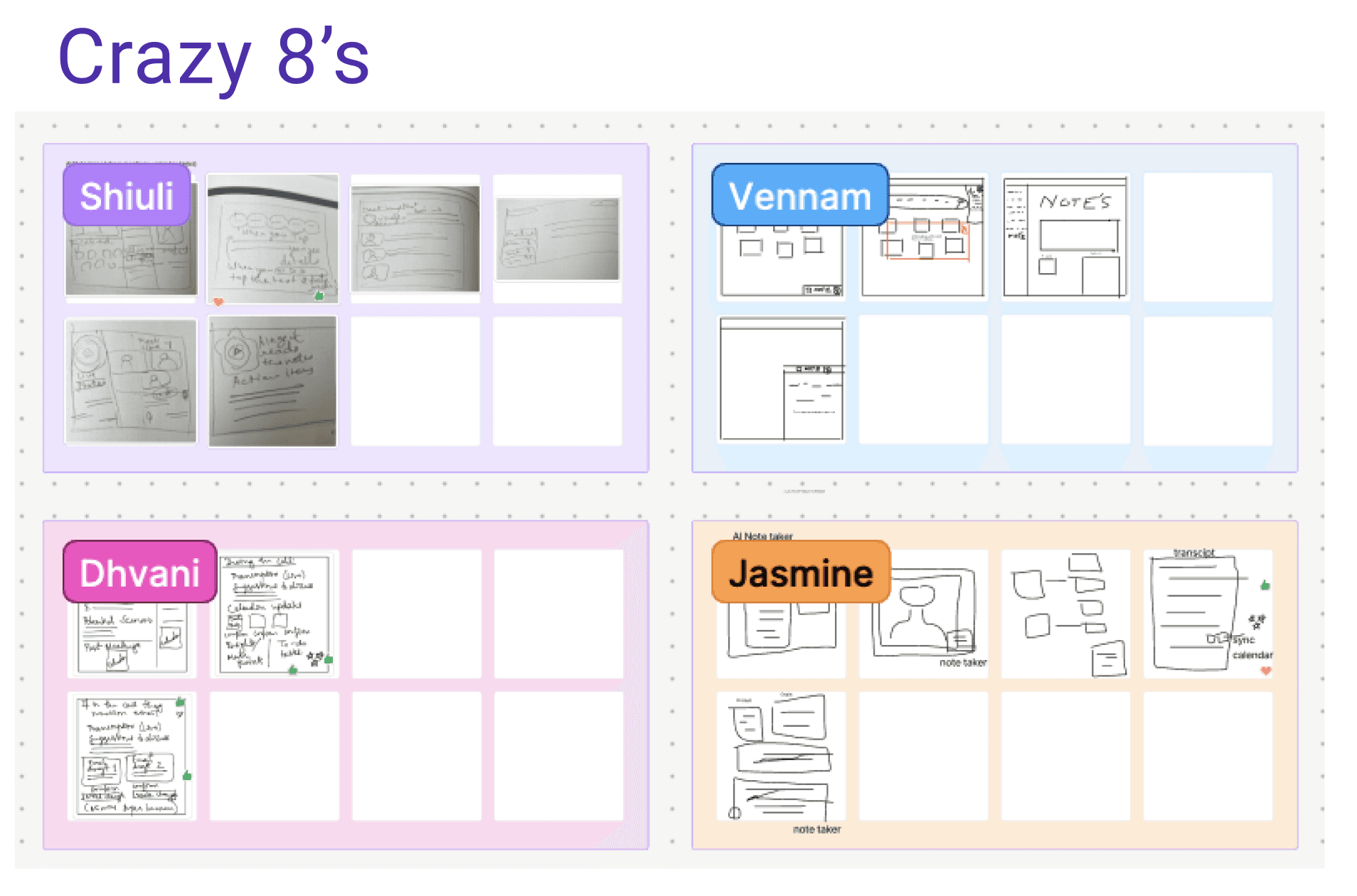
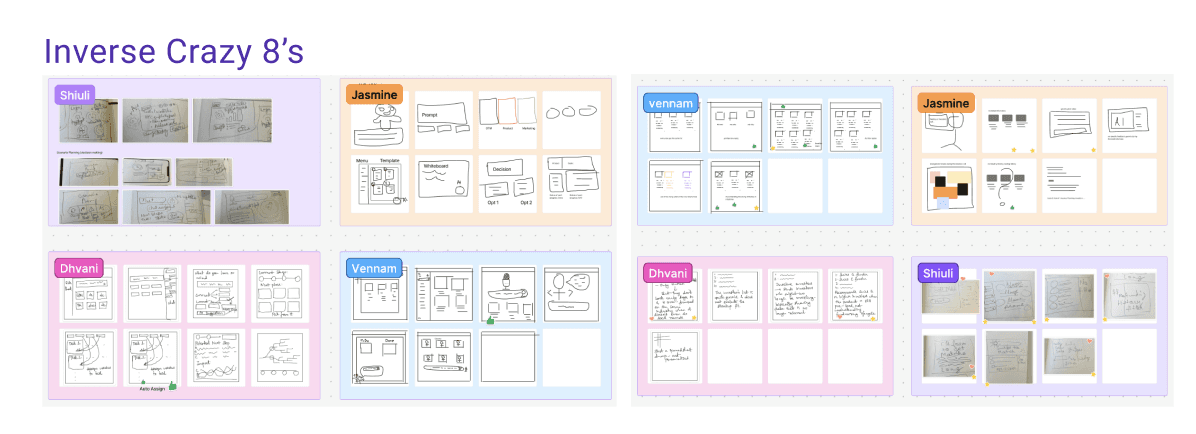
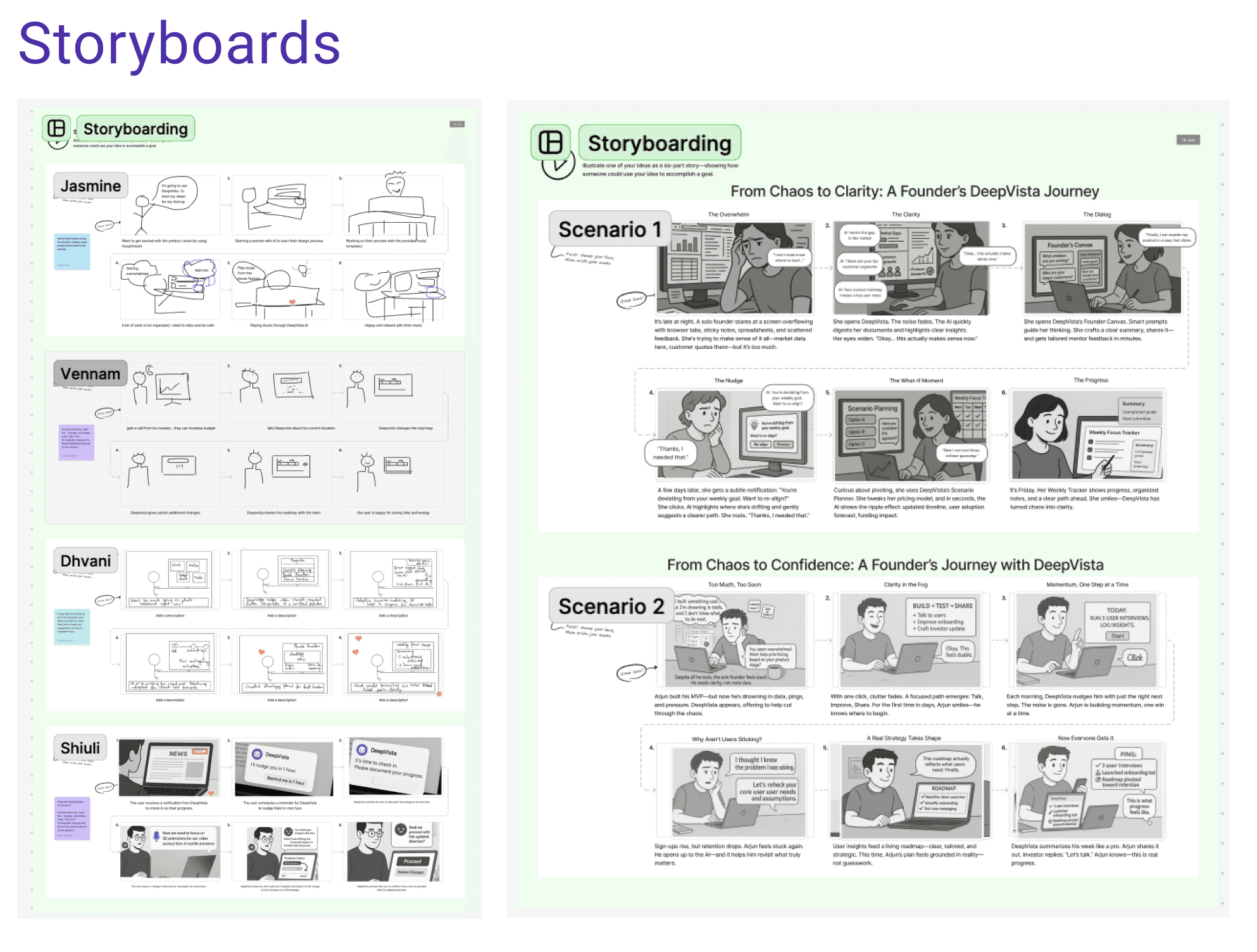
Ideation & UX Architecture
Ran Crazy 8s, inverse sketching, and feature prioritization
Explored early directions: Dashboards, team tools, task flows
focussed on many features for deepvista
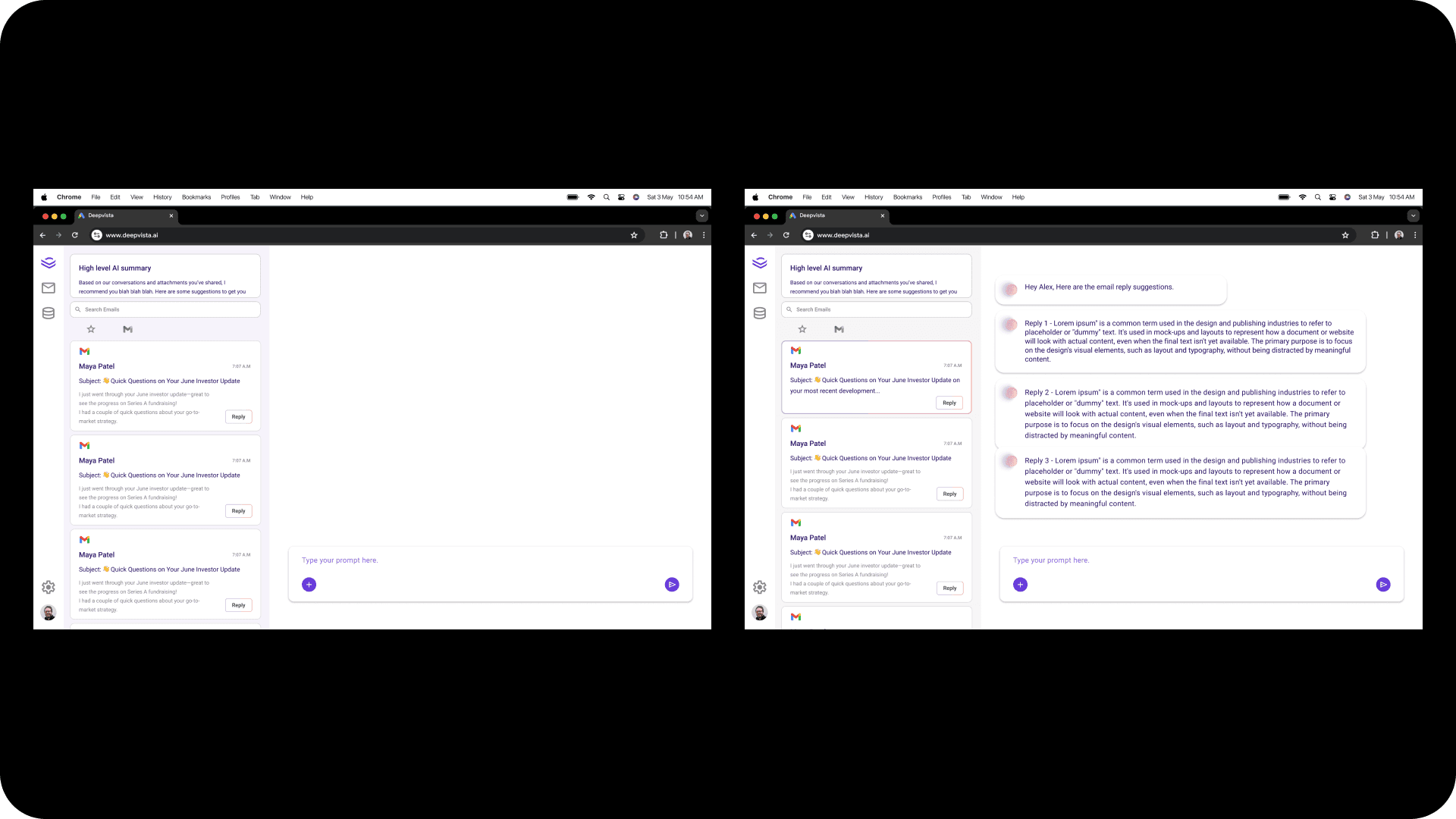
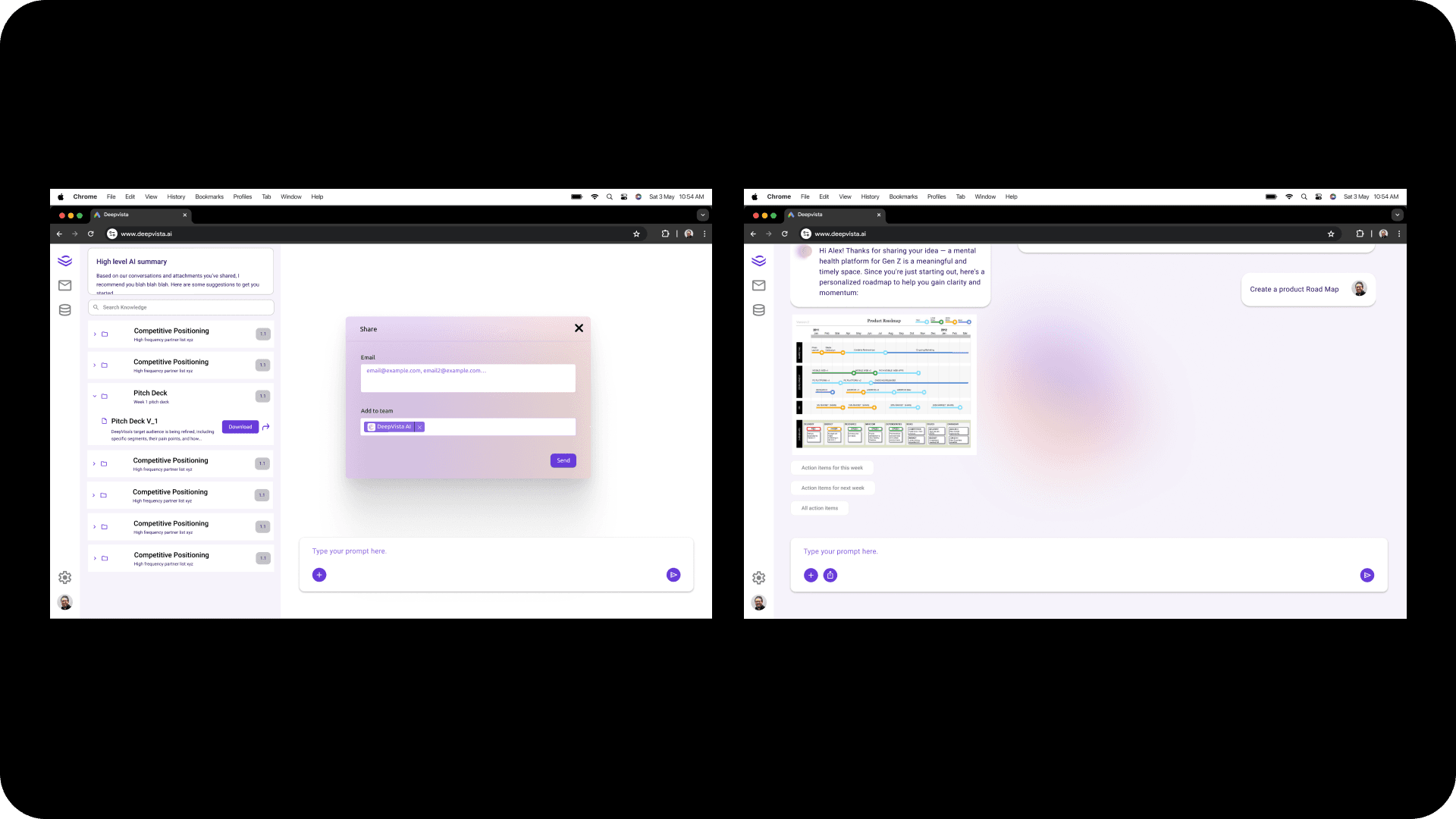
Phase 2.5 — Iterations & Pivot
Early prototypes revealed a key insight that founders didn’t want more tools — they wanted less clutter, more clarity. They needed a solution which is not happening now!
After 3 rounds of internal alignment and feedback from our founder and coaches we Pivoted from:
A complex, multi-tab founder workspace
Team collaboration tools and long-form decision logs
Overloaded dashboards
💡 We Refocused On:
Smart Email Assistant → Context-rich replies, memory recall, and tone editing
Project Context View → Real-time summaries of conversations, tasks, and AI-generated insights
We renamed these features:
→ SmartBox (email manager)
→ DeepChat(conversational AI inbox)
→ VistaBase(Context-aware Memory)
This pivot allowed us to focus design and engineering on two high-impact, lightweight surfaces while still supporting depth and decision-making.
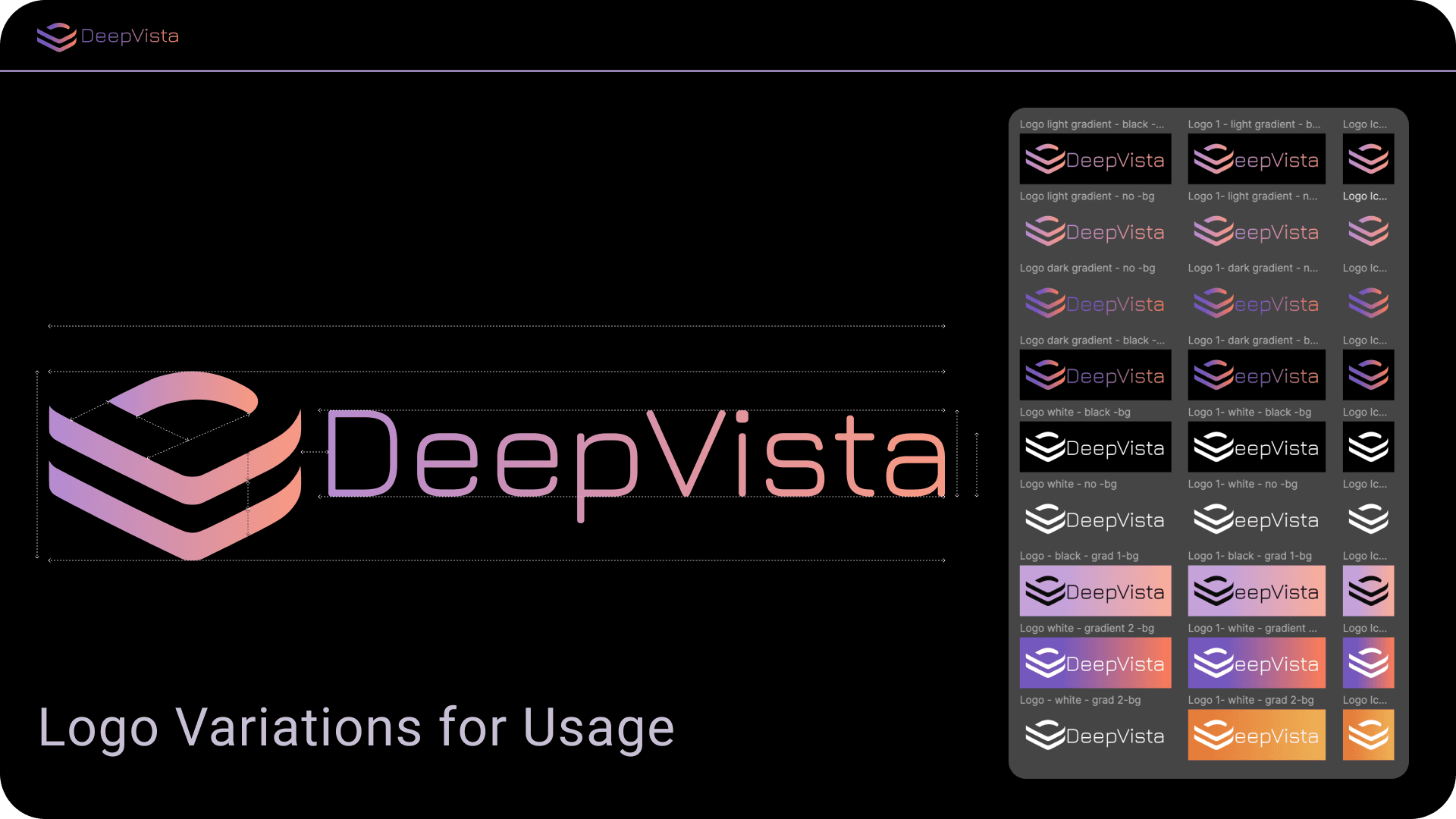

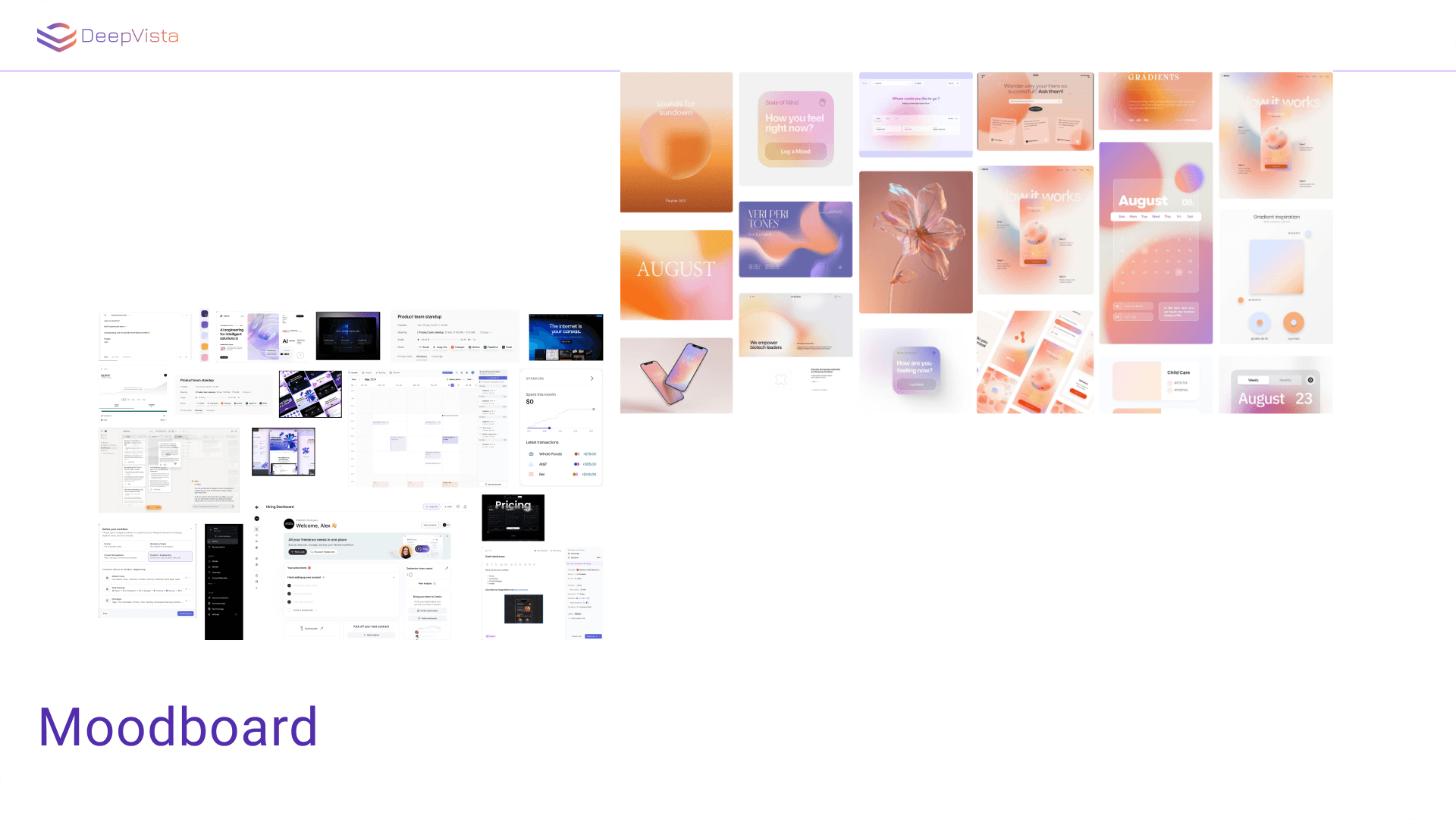
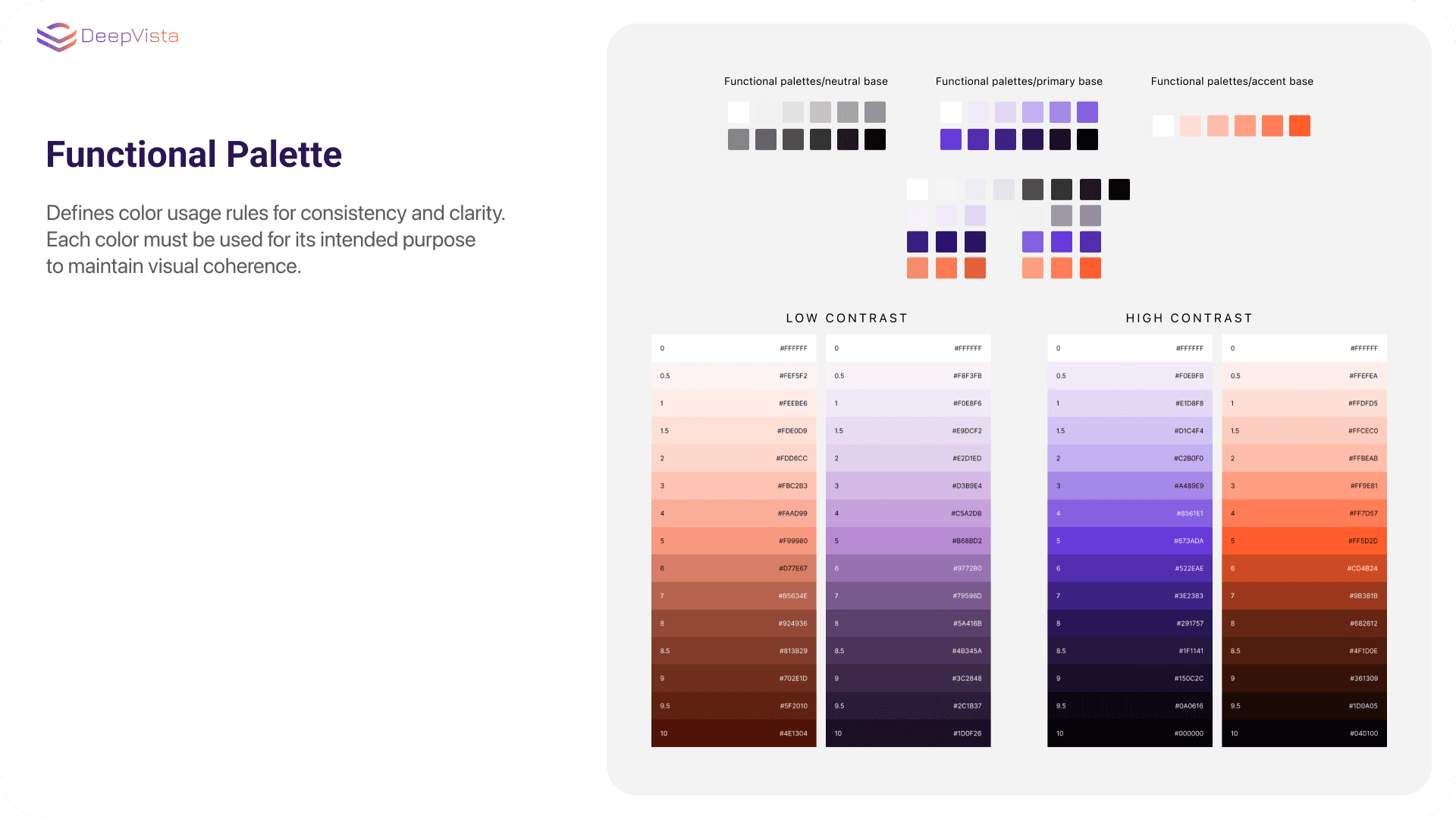
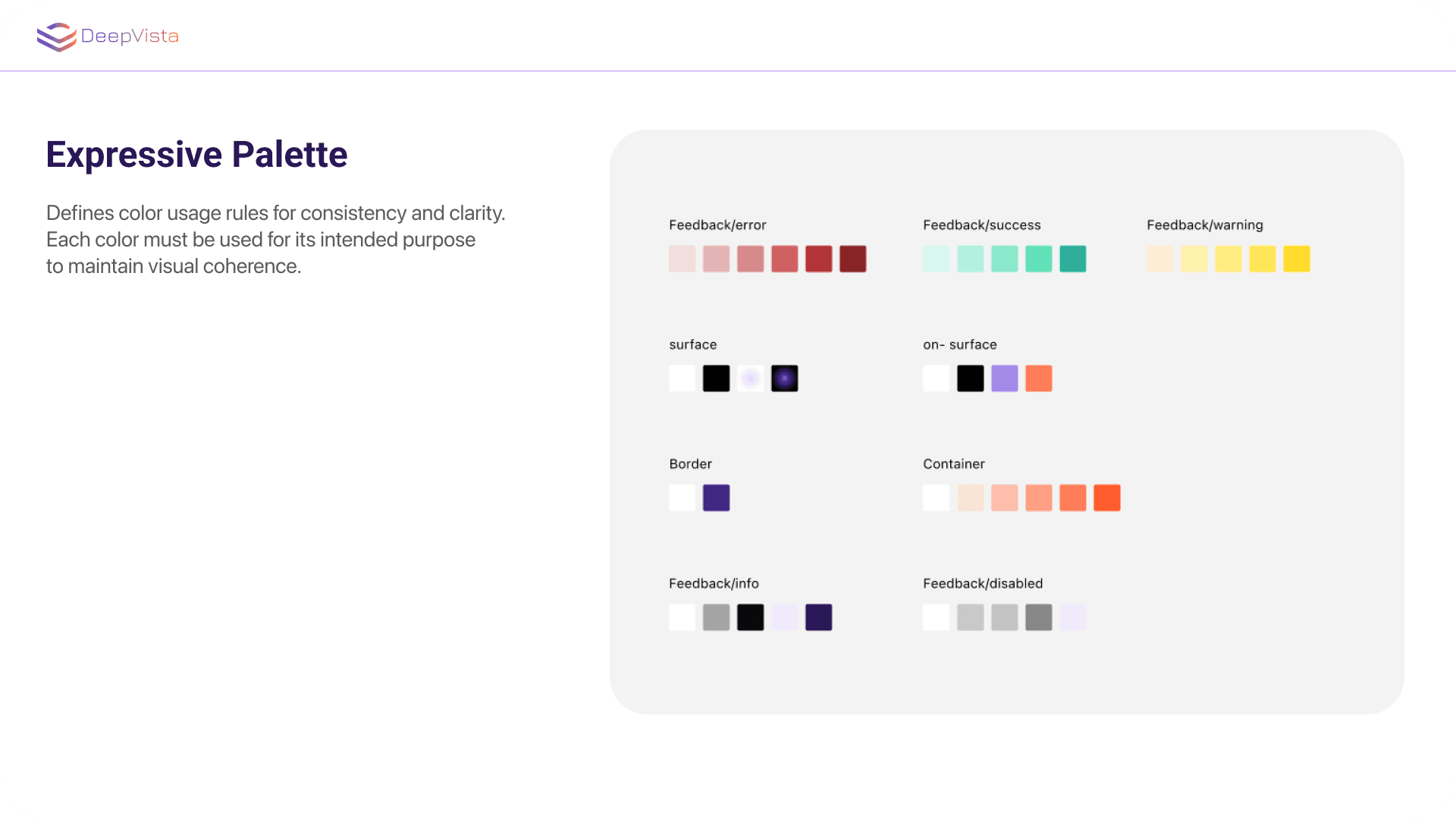
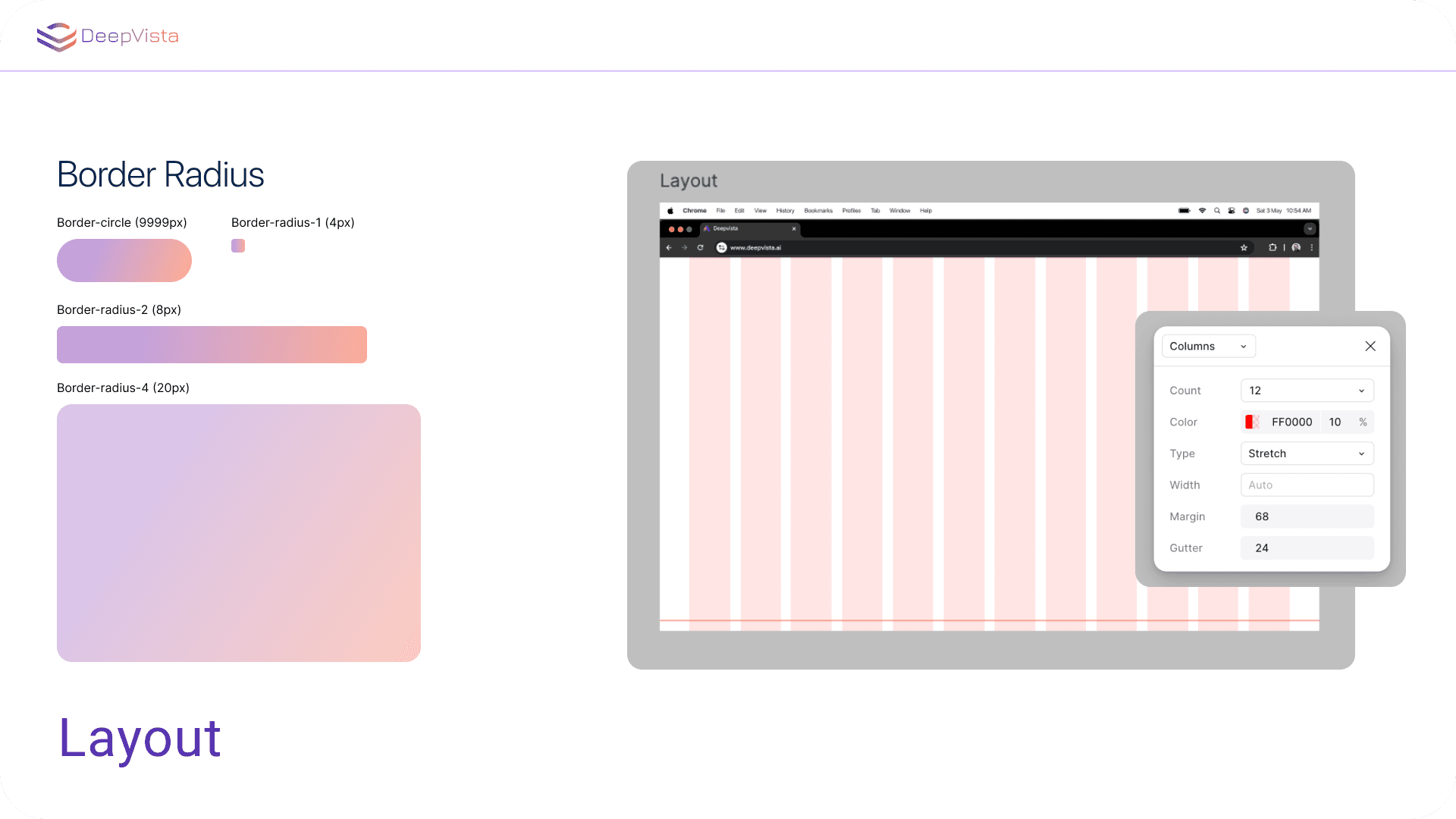
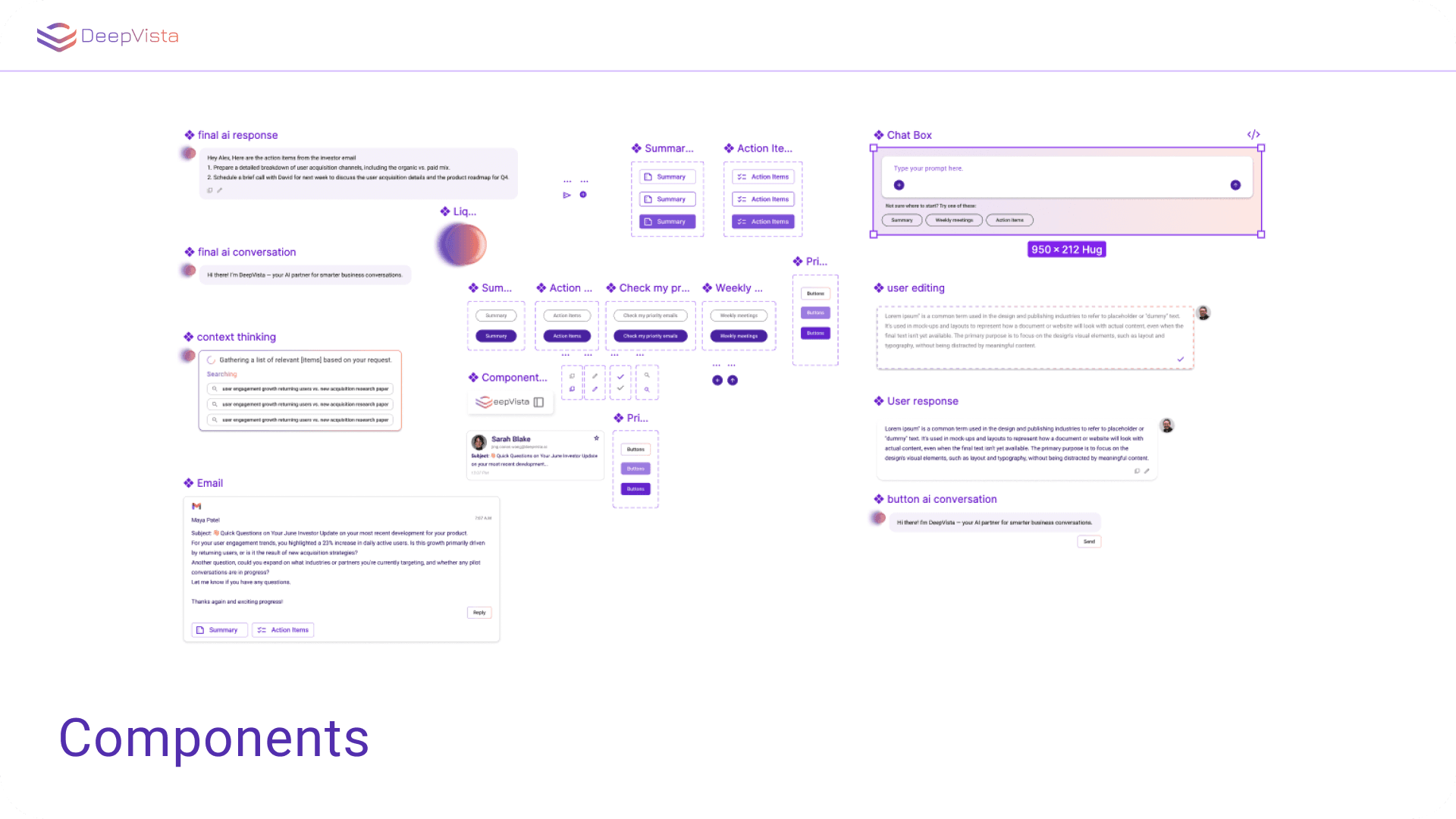
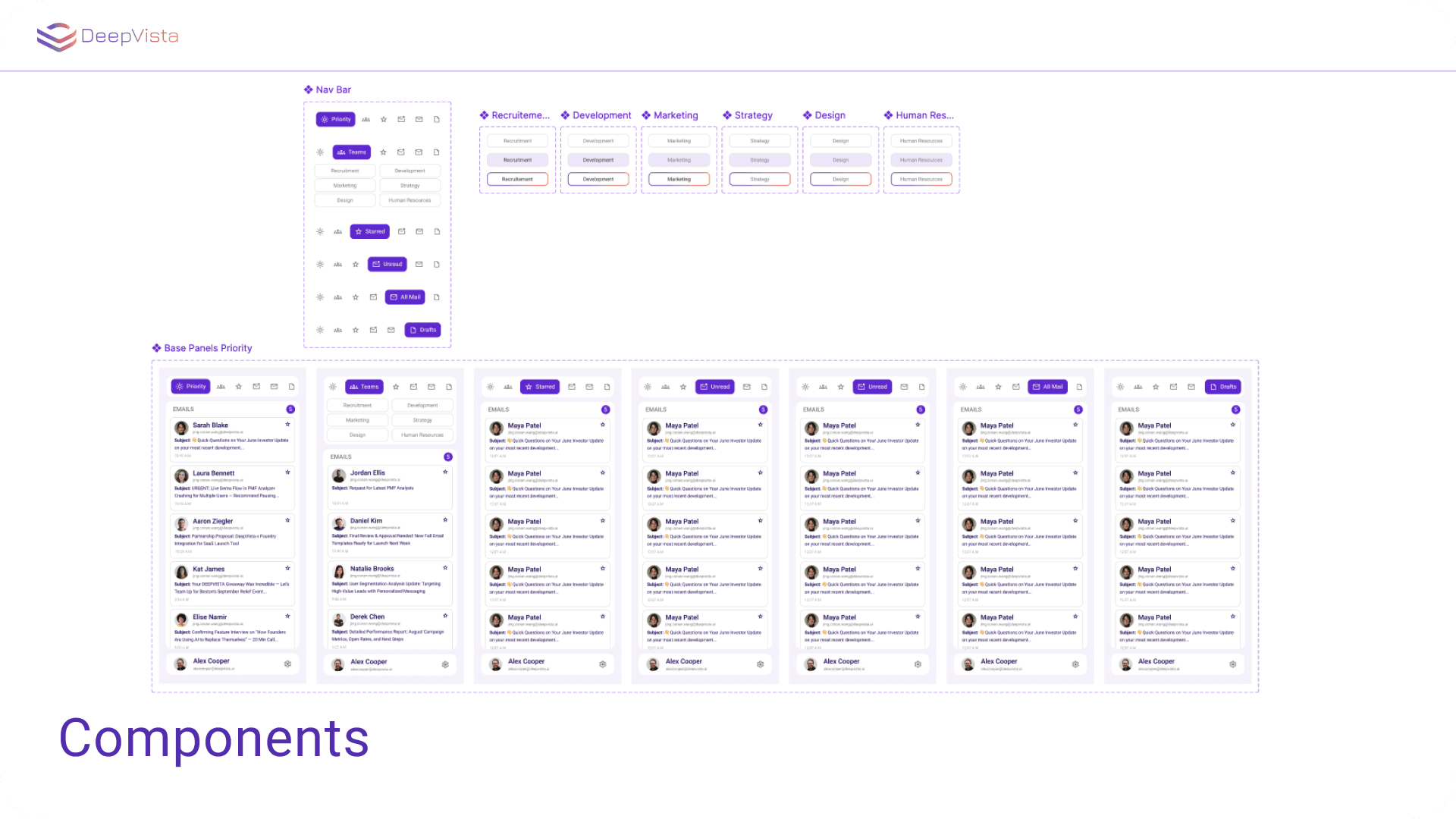
Phase 3 — Branding & Visual Direction
I built the DeepVista brand identity from scratch during my internship.
Logo → Three stacked planes = Depth, Clarity, Insight
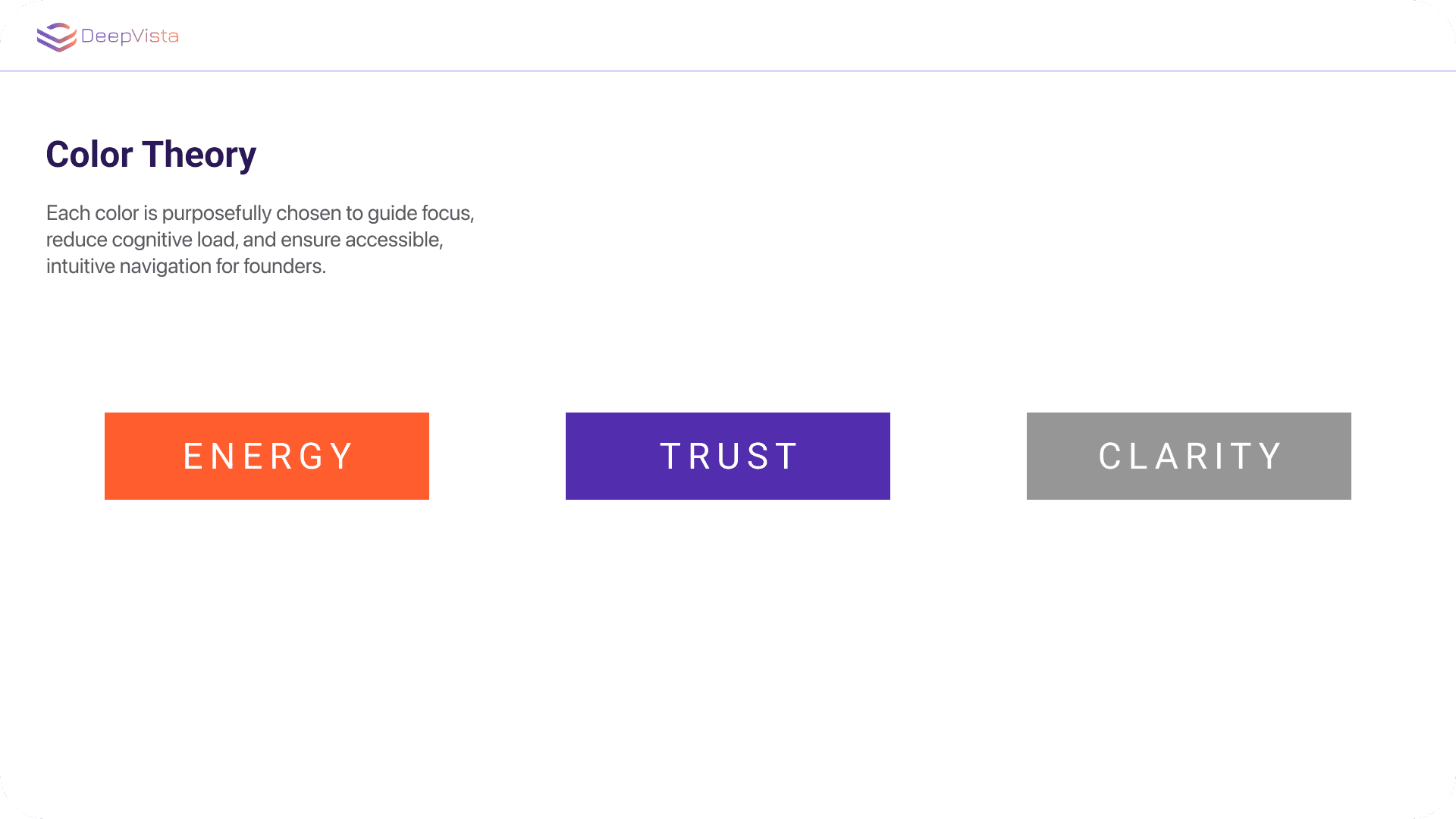
Colors → Futuristic gradient (purple-pink-red) balanced with accessibility
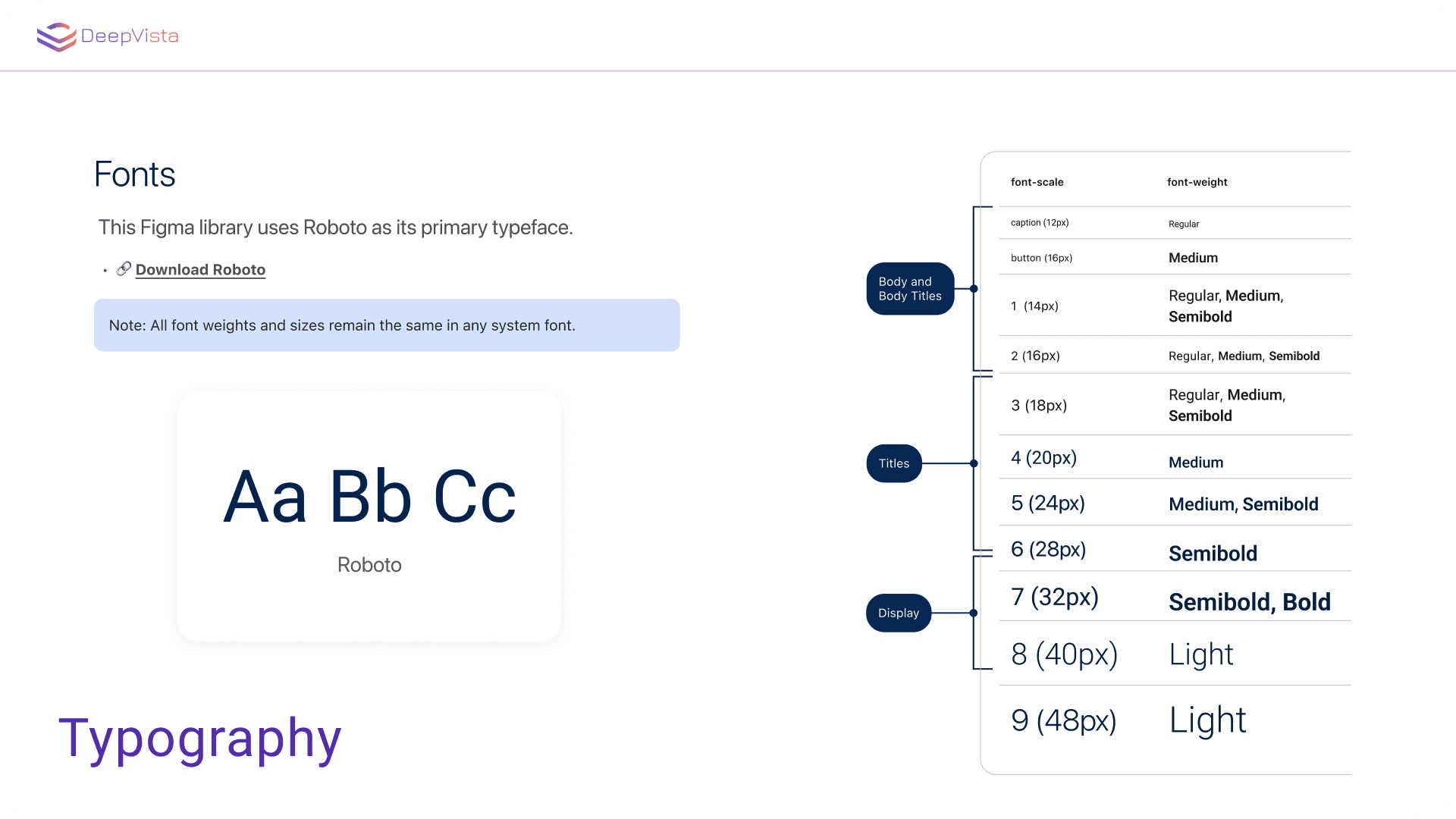
Typography → Roboto with geometric tone for both interface & marketing
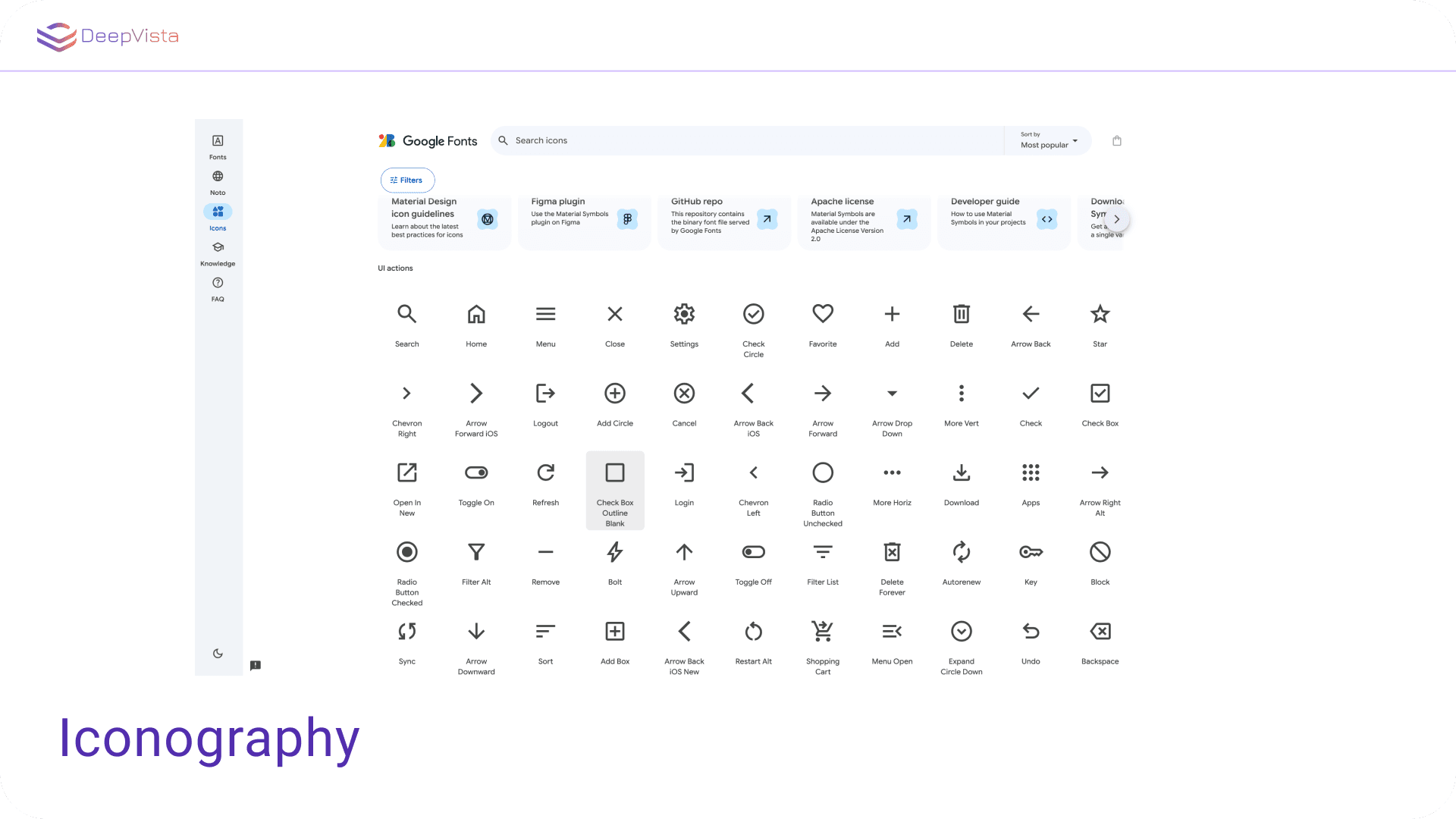
Components → Buttons, cards, chat panes, loaders, toggles — all in sync with our design system
Extended the visual system to
🌐 Framer landing page
📱 Product UI
📢 LinkedIn, X, and YouTube assets
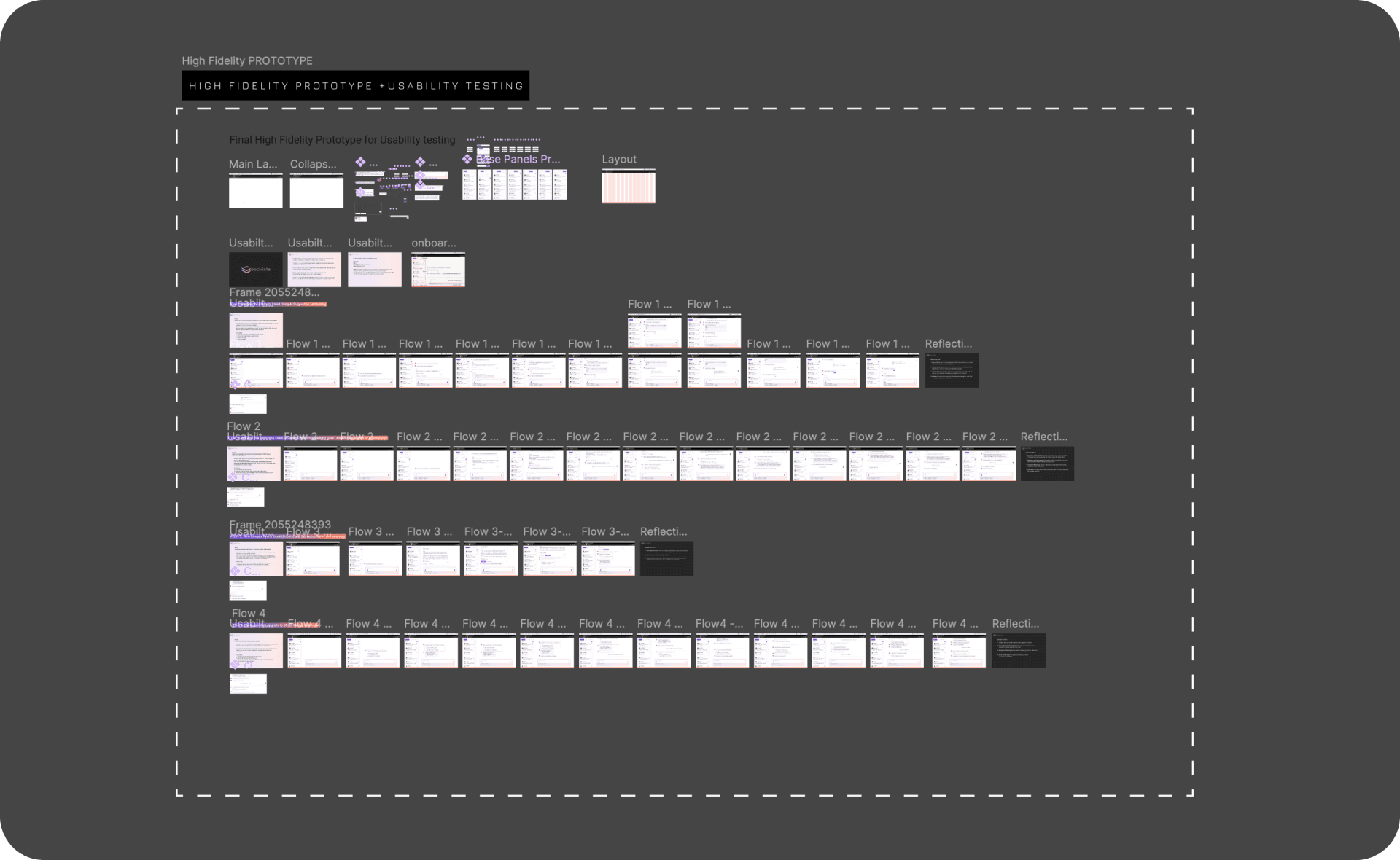
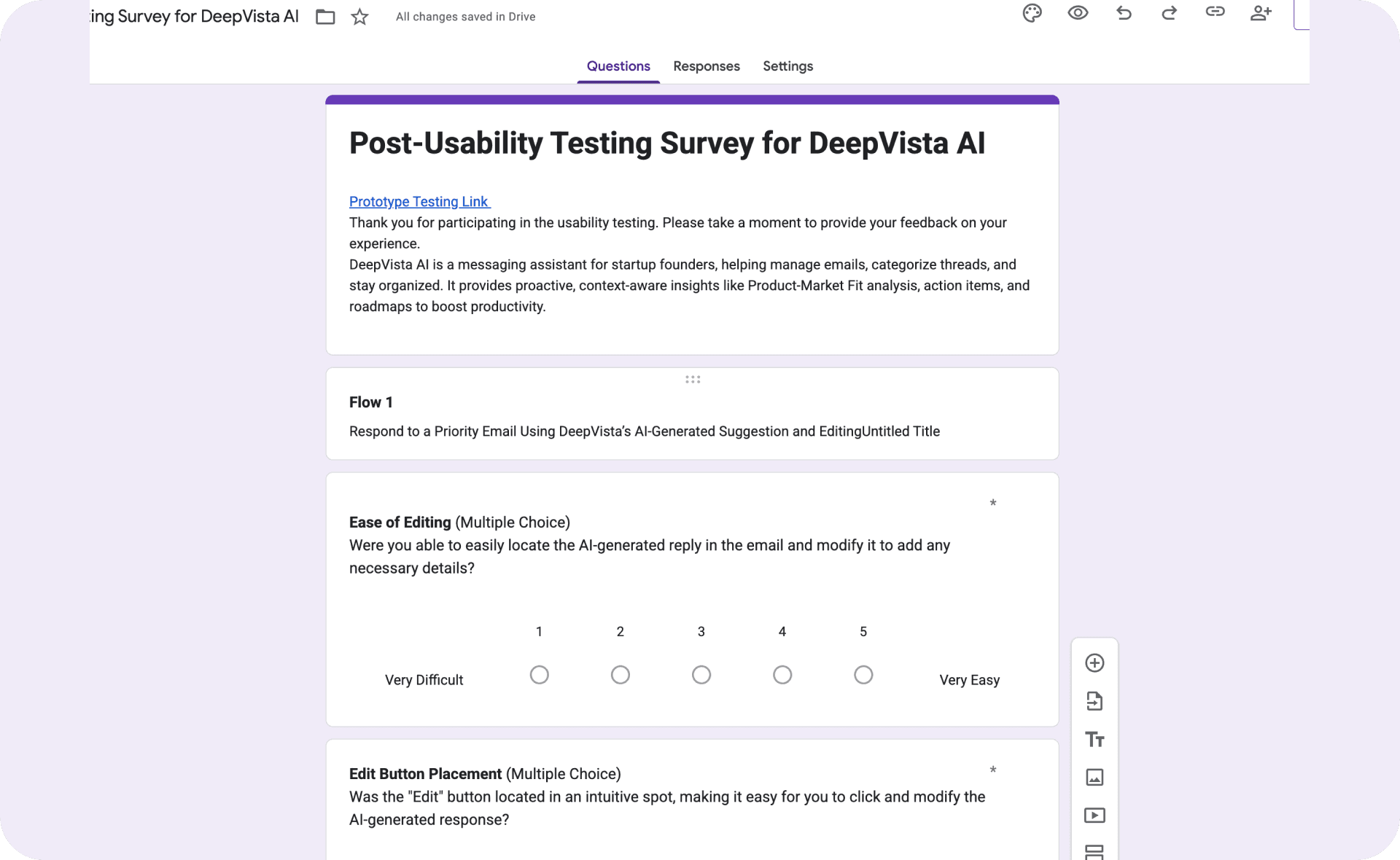
Phase 4 — Prototyping & Usability Testing
I designed all high-res screens for SmartBox and DeepChat, then ran testing across multiple founder sessions.
User feedback & key pivots:
AI thoughts → needed to be visible during suggestions
Action items → needed review + edit options
Meeting conflicts → needed early warnings
Onboarding → needed more visual affordances & language options
During usability testing, we identified key UX gaps — but time constraints during the internship limited implementation.
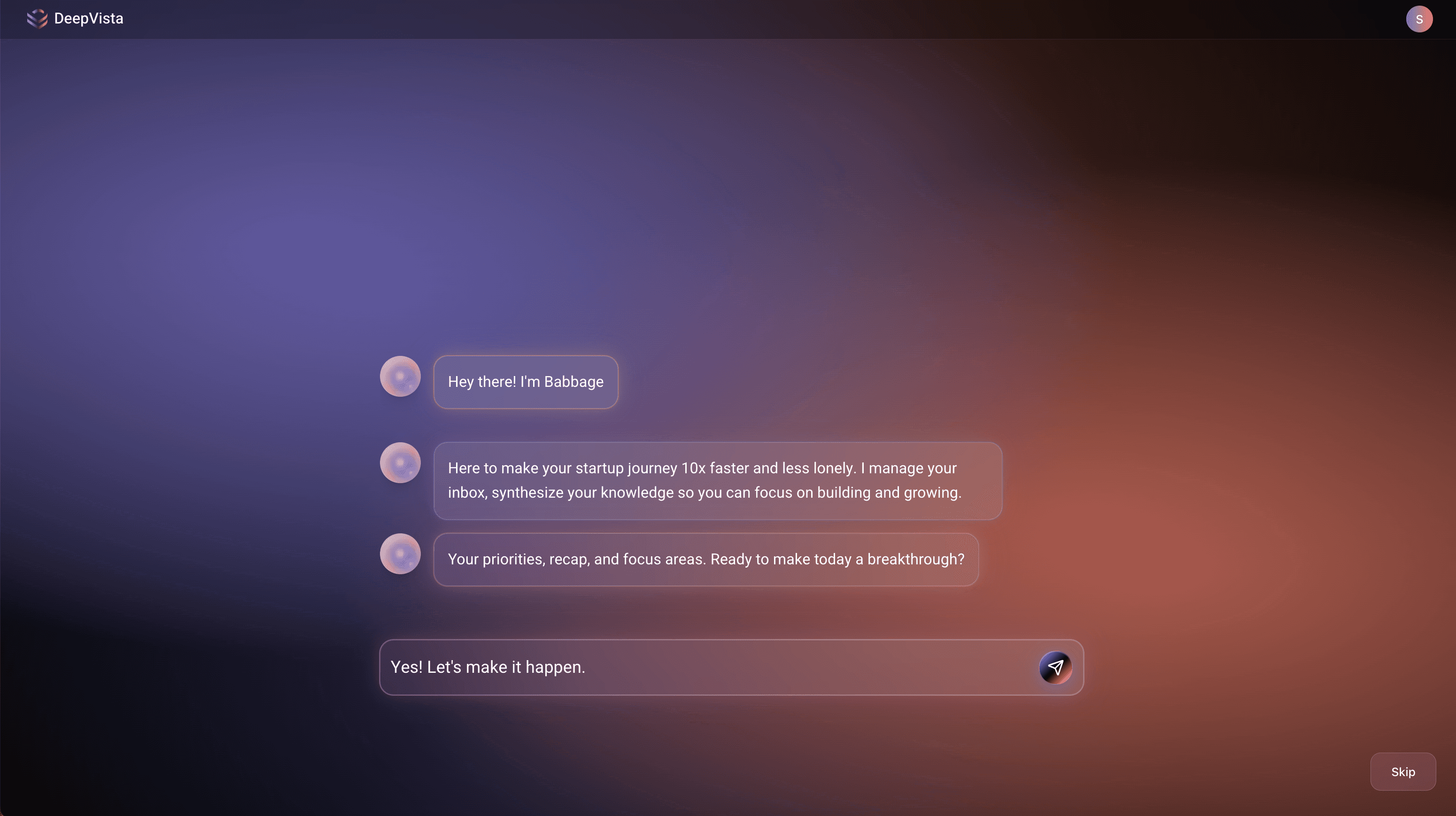
Phase 5
After joining DeepVista full-time, as an AI Product Designer, I took charge of refining the product. Designing, rapid-prototyping, the mobile-first MVP using Figma and a Design-to-Code workflow (Cursor AI and Claude AI).
I improved onboarding, chat UI, and built adaptive VistaBase memory cards, layouts, added tooltips, email tone editing, task confirmation, and export features, and added the magic moments
I also led the creation of a scalable design system and multimodal interactions through iterative testing and close stakeholder collaboration.
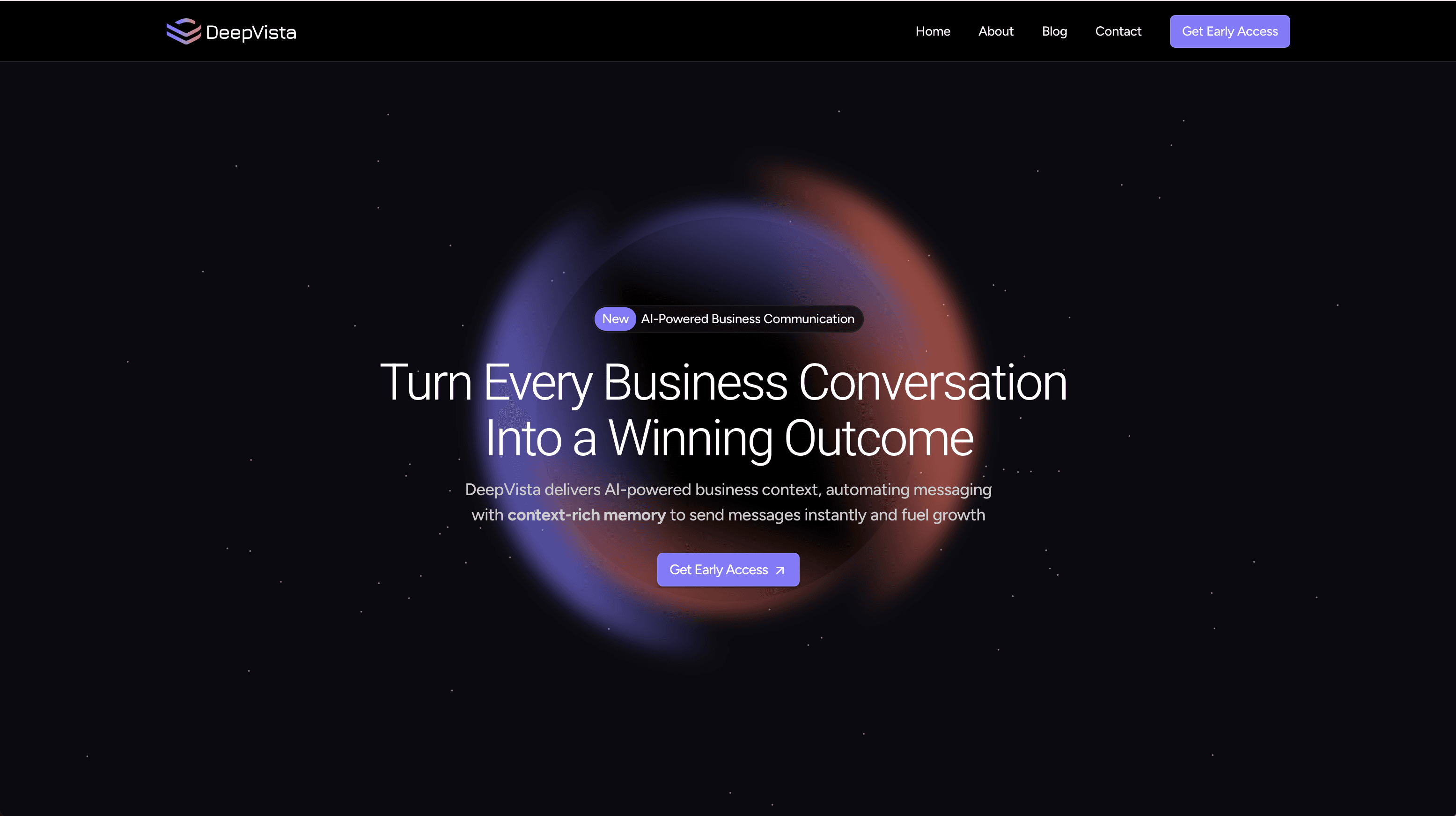
Landing Page for DeepVista
I built and launched DeepVista.ai i in 3 days, using Framer after I joined the company as an AI Product Designer.
Based on founder interviews and landing page testing insights “Too vague” was a common pain point on competitor pages. So, I made sure our messaging was immediate, clear, and value-led.
Building the Product
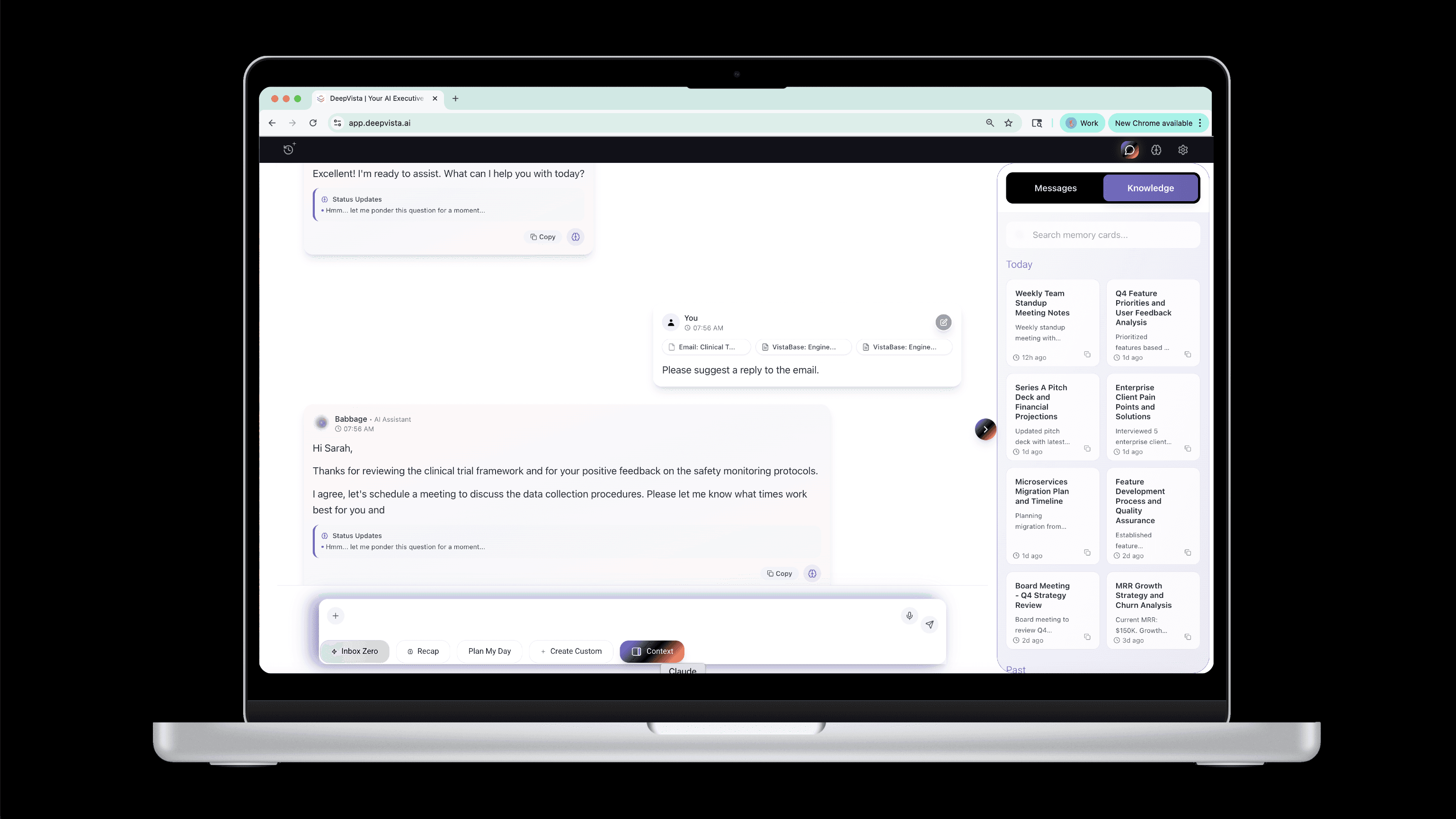
Product Owner want the AI assistant to be more humane and DeepVista AI will bethe technology product. I designed Babbage, DeepVista’s proactive AI executive assistant. Babbage helps founders manage inbox overload, reply with the right context, and surface what truly matters. It turns cluttered communication into clarity — summarizing insights, extracting tasks, and even generating contextual follow-ups.
MVP Milestone 1 (Aug-Oct 2025)
Between August and October, our team sprinted to deliver MVP Milestone 1 — validating the product’s core promise. Cutting through email chaos, drafting contextual replies, and turning scattered information into actionable knowledge.
We ran continuous testing cycles with early users, iterating on what we created during CoCreate - Onboarding flow (to personalize startup context), VistaBase (centralized knowledge memory), SmartBox (context-aware email replies)
And came up with the Magic Feature Highlights. My two favorite features that demonstrate our vision:
Inbox Zero — declutters, unsubscribes, and filters automatically for a clear workspace.
Context Flash Panel — lets users drag in relevant context, notes, or past emails directly into their reply box for faster, smarter communication.
These early design decisions shaped DeepVista’s evolution toward context-rich automation — where AI doesn’t just respond but acts.
Every “suggestion pill” you see now represents an AI action that can execute real workflows — from sending updates to creating product briefs — giving founders back their most valuable asset: time.
Why This Project Matters
DeepVista wasn’t just about building features — it was about solving real pain.
Founders today are overwhelmed: too many tools, too little clarity. From the very beginning, I saw how much this product could help. That made it personal.
I poured intention into every detail — from brand identity to adaptive memory cards that think with the user. I wasn’t just designing UI, I was shaping an experience that could reduce friction, restore momentum, and support decision-making under pressure.
This project pushed me to think holistically — not just as a designer, but as a builder. It reminded me why great design isn’t just seen — it’s felt.
Hey Mobile Visitors!
This case study is designed for an enhanced viewing experience and is only available on the web version of our site. Please visit us on a desktop browser to explore the full details. Thank you! RideHERO streamlines the entire process for convenience and cost-efficiency.